INVEST
 PLANT
PLANT
 SOFTWOODS
 HARDWOODS
 CALCULATORS
 RESOURCES
 PROGRAMS

Softwoods
Learn More
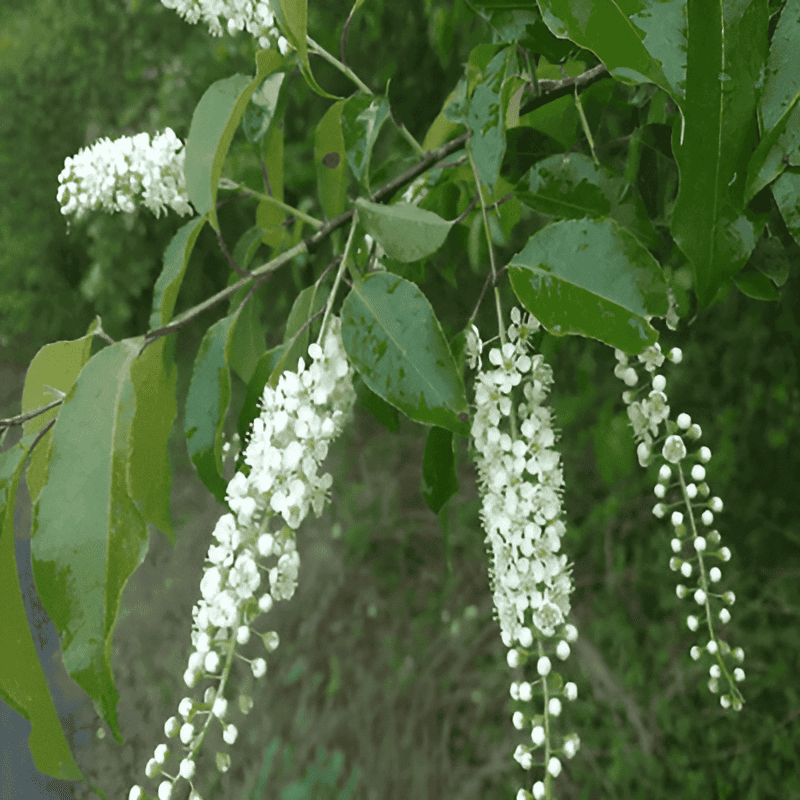
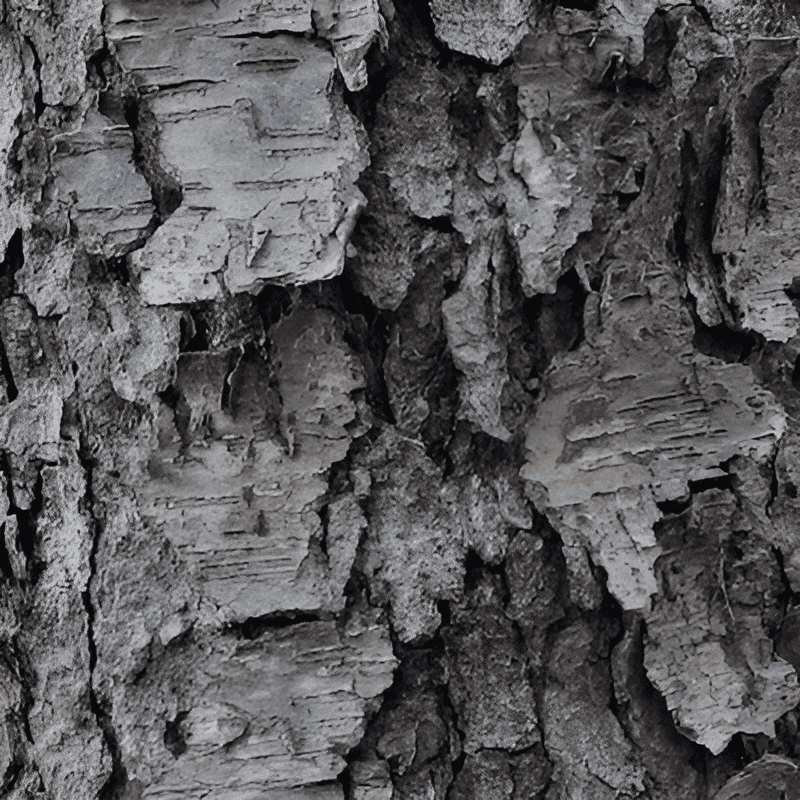
Black cherry (Prunus serotina) is a fast-growing native tree known for its fragrant spring blossoms, wildlife-friendly fruit, and premium reddish hardwood.
Learn how to identify it, grow it, and unlock its long-term timber value—from forest ecology to fine furniture-grade wood.
Black cherry (Prunus serotina) is recognized by foresters as one of the most valuable native hardwood species in North America, particularly for veneer-grade timber production.
Discover how underutilized swampland and low-value wetlands can be converted into high-value black cherry tree plantations, yielding long-term returns that can approach one million dollars per acre under optimal growing and market conditions. With smart site selection, raised berm construction, and premium sapling stock, swampy land becomes a productive, sustainable timber asset.
On this page you’ll learn:
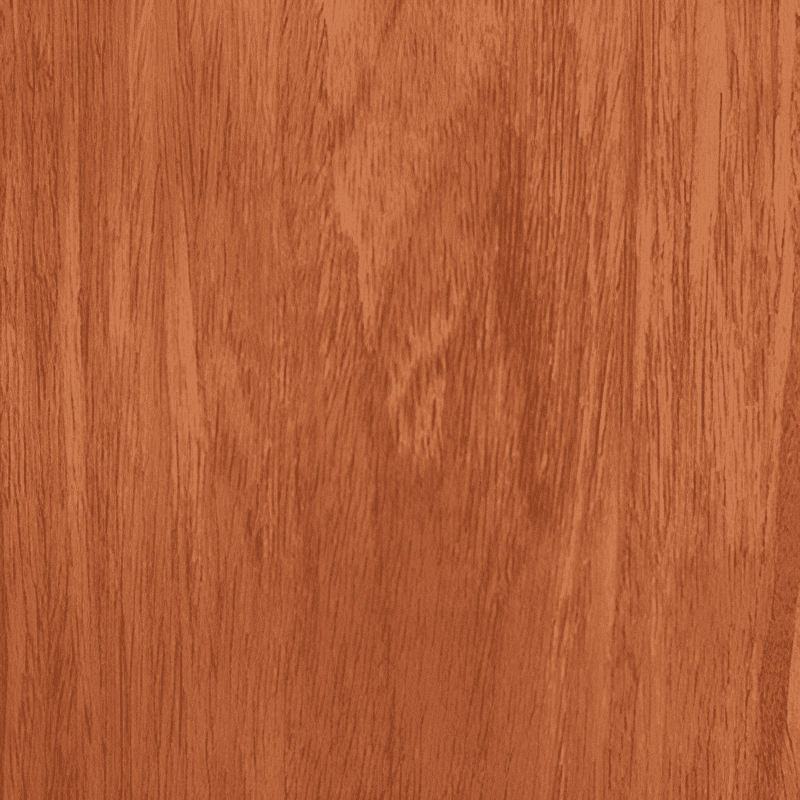
Black cherry wood is one of the most sought-after hardwoods in the woodworking industry. Known for its rich reddish-brown hue, fine grain, and superior workability, it is highly prized for furniture, cabinetry, flooring, millwork, and decorative veneers. Properly managed plantations that produce long, straight, knot-free stems can command premium prices on log and lumber markets.
To fully understand the value of this species, explore cherry wood properties, cherry wood carving techniques, cherry tree varieties, and high-value hardwood species.
Successful black cherry plantations require careful management to produce long, straight, knot-free logs suitable for veneer and premium sawlog markets. The key is to combine the right site, improved planting stock, and intensive early care.
Pruning is essential for producing high-value, clear cherry wood that attracts veneer buyers:
Properly managed black cherry plantations can generate exceptional long-term ROI:
These estimates illustrate how black cherry plantations can build long-term value through premium hardwood production.
| Metric | Estimate |
|---|---|
| Trees per acre | 300–400 |
| Value per mature tree | $1,500 – $2,500+ |
| Potential gross value | $450,000 – $1,000,000+ |
Time horizon: 25–35 years for premium veneer-grade returns.
Use our Tree Value Calculator and Tree Spacing Calculator to model your own planting scenario.
With a growing shortage of high-quality black cherry wood, now is an excellent time to explore sustainable black cherry plantation investment for long-term timber value and land appreciation.
Contact us to learn more about black cherry tree planting strategies, timber potential, and how this premium hardwood can fit into a long-term land investment plan.
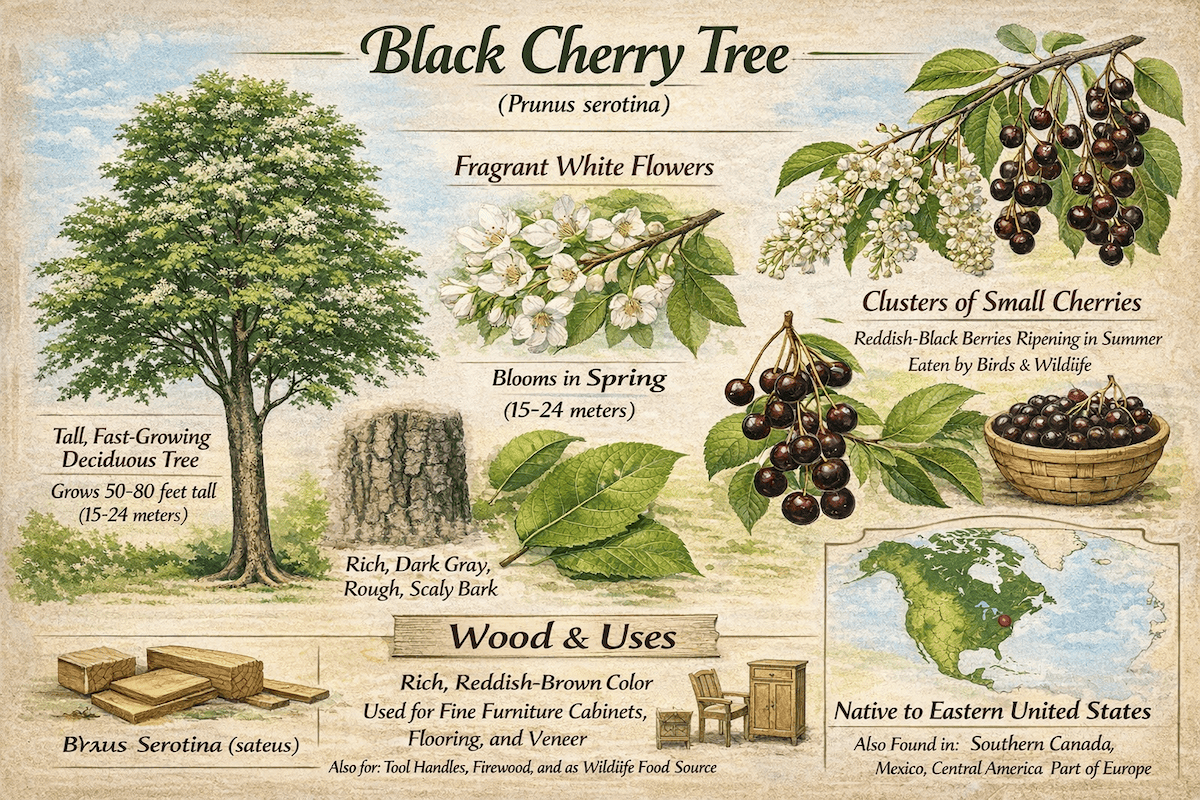
Feel free to share this black cherry tree infographic on your website or blog. Please include a link back to this page as the source.
The biggest expense in establishing a plantation is typically land acquisition. Black cherry’s natural affinity for moist bottomland and swamp edges creates a unique opportunity: swamp and wetland parcels are often far more affordable than prime agricultural land, yet can grow exceptional cherry timber when engineered correctly.
While black cherry trees naturally occur in swampy conditions, planting traditional 12- to 24-inch seedlings directly into standing water does not work in wetlands. Young saplings quickly become waterlogged and die if submerged for long periods. The solution is to combine tall, advanced saplings with engineered raised berms.
Our approach: we plant 10-foot-tall black cherry saplings with strong, well-developed root systems, grown in deep pyramid pots. The height keeps foliage above seasonal floodwaters, while the roots access rich, moist soil that drives fast growth.
Natural berms alone rarely provide enough elevated ground to support a commercially viable plantation. To maximize survival, stability, and long-term yield, we construct man-made swamp berms that raise the cherry root zone safely above peak flood levels while still taking advantage of the swamp’s moisture and fertility.

Below is a step-by-step guide to how we build raised earth berms using a combination of clay mud pack, straw, rock, coarse sand, crushed rock, pebbles, and dead and green tree branches to support healthy clumps of black cherry trees.
1. Choose the location: We select areas in the swamp with good sunlight and minimal long-term standing water. Black cherry trees thrive in full sun to partial shade, so we target sites that receive at least 6 hours of direct sunlight daily.
2. Design the berm: We plan the shape and size of each berm based on the mature size of black cherry trees and desired spacing. A typical berm is designed to be 4–5 feet high and up to 30 feet wide, providing enough elevated ground for multiple trees.
3. Prepare the base: We remove existing vegetation from the berm footprint and dig a shallow trench (about 1–2 feet deep) in the shape of the berm. This trench anchors the berm, helps lock it into the swamp soil, and improves stability and drainage.
4. Layer the materials: We build the berm in layers to control moisture and provide a strong foundation:
5. Topsoil: We cap the berm with 1–2 feet of high-quality topsoil to create a rich planting medium. This layer provides the nutrients black cherry trees need to establish quickly.
6. Plant the trees: We auger planting holes in the topsoil large enough to accommodate the root stems of the tall black cherry saplings. Trees are spaced approximately 6–8 feet apart along the berm to stabilize the structure and promote straight, upward growth. After planting, we firmly pack the soil to remove air pockets and secure the trees in place.
7. Mulch: We apply a 2–3 inch layer of organic mulch—wood chips, shredded bark, leaf residue, or straw—around the base of each tree to conserve moisture, regulate soil temperature, and suppress weeds.
8. Water and maintain: During the first year, we water deeply and regularly to ensure strong establishment. We monitor trees for signs of stress, disease, or pest pressure and prune as needed to maintain good air circulation and strong central leaders.
By following these steps, we create raised earth berms that support healthy clumps of black cherry trees in challenging swamp environments. A grouping of trees on each berm, spaced 6–8 feet apart, improves wind firmness and root interlock, further stabilizing the berm.
Because of the intermittent spacing required between berms, you will typically need more gross swamp acreage to match the tree count of a conventional flat-land acre. As a rule of thumb, to earn one million dollars per equivalent acre in black cherry plantations on swampland, you might plan on using roughly three acres of wetland to match the stem count of a single flat-land acre—still highly profitable given the lower land cost.

Black cherry wood (Prunus serotina) is one of the most sought-after hardwoods in North America, valued for its rich color, smooth grain, and long-term durability. It is second only to black walnut in value for fine furniture and flooring, making it a top choice for high-end woodworking, luxury interiors, and heirloom-quality projects.
Black cherry is a versatile species used in many high-value applications:
Cherry’s warm color and graceful aging make it a go-to wood for heirloom furniture:
Cherry hardwood flooring is highly prized for its smooth finish, warm tones, and classic look. It appears in custom homes, executive offices, and historic renovations.
Cherry wood ranks among the top species for high-end kitchen and bathroom cabinetry. It is also widely used for:
Black cherry is an excellent tonewood used in:
Cherry veneers are widely used for architectural panels, yacht interiors, high-end office furniture, and automotive trim, delivering a luxurious appearance with efficient use of high-grade logs.
Cherry’s fine grain and balance of strength and lightness make it a preferred species for custom rifle and shotgun stocks, as well as specialty items and turned objects.
The price of black cherry lumber depends on grade, thickness, board size, and market conditions. As a premium hardwood, it typically commands higher prices than many common species.
Note: Prices fluctuate with availability, regional demand, and global hardwood markets. Use the tree calcultors below to estimate values for different log sizes and grades.

Contact us to learn how black cherry trees can fit into your plantation, agroforestry system, or long-term land investment strategy.
The following comments were collected from a national wood products discussion forum using black cherry wood primarily in the United States.
Wild black cherry, in my opinion, is a wonderful wood and my personal favorite, except for the expense. If finished right, it will develop a rich patina with time and exposure to light. Generally, the light sapwood is removed and only the heartwood is used. However, some manufacturers use it all and bleach all the natural color out of it, then add a stain to recolor. Generally, Pennsylvania wild black cherry commands a premium price. When I was visiting Colonial Williamsburg, they were working with VA cherry wood and said it was nowhere near the quality of the PA black cherry.
Wild black cherry is extremely popular with cabinetmakers. It is easy to work, fine textured, strong and durable. Highly rated in all working properties including wood bending and turning and becomes darker and richer with age. The wood finishes smoothly and is dimensionally stable. It is easily machined. It can be sawn cleanly, turned well, and planed excellently with standard cutting angles. Screw-holding ability is good, as is gluing, except where gum streaks are present. The gum content can make it susceptible to scorching from blade friction. The scorching is best avoided with sharp tools and fast feed rates where possible. Durability is rated as very resistant to heartwood decay. A wild black cherry tree has an exceptionally fine figure and almost satiny light reddish-brown color. Its figure and stable, close grain have been valued by furniture and cabinetmakers for centuries. It is light and strong. The rich red heartwood of this tree makes it one of the most valuable trees in the forest. Large, veneer-grade trees can be worth many thousand dollars each. Hardwood lumber mills are constantly seeking quality sources of large diameter black cherry. Thus, it is becoming increasingly rare to find stands of reasonably sized trees. Three or four wild black cherry trees are typically found growing in clumps scattered about the forest, but if they were gathered into a pre-planned black cherry tree plantation it could be worth a million dollars an acre.
What happened to those 158 towering, mature wild black cherry trees – which may have been worth up to $4 million – that the Cook County Forest Preserve District cut down in south suburban Swallow Cliff Woods? That is the most intriguing question I've been getting from Chicago Sun-Times readers since last Thursday's column on a new federal lawsuit challenging the district's controversial “restoration” project in the preserves.
Wild black cherry is not abundant outside its commercial range. It accounts for only 0.3 percent (about 3 billion cubic feet) of the net volume of hardwood growing stock on commercial forest land in the eastern United States and only 0.2 percent (about 5 billion board feet) of the net volume of hardwood saw timber. Approximately one-half of the current growing stock is 11 inches in diameter or smaller. Chances of increased timber volume under present practices do not appear good. Although the commercial range extends from southern New York to West Virginia, better quality cherry wood is generally found in quantity only in Pennsylvania. The continued high demand for the better grades for use in furniture, veneer, and plywood, along with the small volume available, seem to ensure an increasingly short supply. It is not grown in plantations in any volume, but if it were, black cherry trees would easily be worth a million dollars an acre. Current lumber prices for black cherry rank the species comparable in value to hard maple, higher than ash, but lower than yellow birch. Cherry is most valuable in veneer log form, and prices up to $700 per thousand board feet are being paid for the best logs.
Black cherry tree cherries and berries are small, round fruit that grow on the black cherry tree (Prunus serotina). The fruit has a dark purple-black color, a tart flavor, and a thin skin. Black cherry trees are commonly found growing singly or in clumps in forests, along riverbanks, and in low-lying wetlands.
Harvesting black cherry cherries and berries typically takes place in late summer to early fall, depending on climate and growing conditions. The fruit is ready to harvest when it ripens to a deep, dark red-black color. To pick berries, gently twist the fruit from the stem by hand or use scissors to cut the stem close to the cluster. Handle the fruit carefully to avoid bruising the delicate skin.
Black cherry cherries and berries are versatile fruits that can be turned into value-added products such as jams, jellies, pies, syrups, and beverages.
Jams and jellies: Black cherry berries make delicious jams and jellies for spreading on toast, biscuits, or pastries. Making black cherry preserves is straightforward—cook the fruit with sugar and pectin until it reaches the desired consistency, then pour into sanitized jars and let cool.
Pies and cobblers: Black cherry cherries are excellent for pies and cobblers. Combine the fruit with sugar, flour, and spices, then pour into a pie crust or baking dish and bake until bubbly and golden.
Drinks: Black cherry cherries and berries can be used to flavor sodas, teas, cocktails, shrubs, and fermented beverages.
The bark and leaves of the black cherry tree are known to Indigenous peoples and herbalists for their traditional medicinal benefits.
While a secondary income from black cherry cherries, berries, and bark may not earn a million dollars per acre, it can substantially offset plantation setup costs and year-to-year maintenance, improving overall project cash flow.
Partner with us in a land management project to repurpose agricultural lands and wetlands into appreciating tree assets. We have partnered with growingtogive.org , a 501(c)(3) nonprofit, to create tree-planting partnerships with land donors.
We have partnered with growingtogive.org , a Washington State nonprofit, to create a land and tree partnership program that repurposes agricultural land into appreciating tree assets.
The program utilizes privately owned land to plant trees that benefit both the landowner and the environment through carbon storage, habitat creation, and long-term timber value.
If you have 100 acres or more of flat, fallow farmland—or suitable swampland for berm construction—and would like to plant trees, we would like to talk to you. There are no costs to enter the program. You own the land; you own the trees we plant for free, and there are no restrictions—you can sell or transfer the land with the trees at any time.
Common questions about black cherry trees (Prunus serotina), their fruit, growing range, and how cherrywood performs as firewood.
Yes. Fully ripe black cherry (Prunus serotina) fruit is edible and commonly used for jams, jellies, syrups, desserts, and liqueurs. Always avoid ingesting the pits, which contain cyanogenic compounds. Remove and discard the pits before cooking or processing the fruit.
Black cherry prefers temperate climates with distinct seasons and well-drained soils. It may perform better in North Florida than in central or south Florida, where heat and disease pressure are higher. In subtropical zones, success is limited—consider climate-adapted alternatives or other fruit trees better suited to warm, humid conditions.
Yes. Cherrywood is considered an excellent, all-purpose firewood. It offers:
Cherry is less dense than oak or hickory, so it will burn somewhat faster, but it is prized for smoking meats and for indoor wood stoves thanks to its fragrance and predictable burn characteristics.
Copyright © All rights reserved Tree Plantation