



 INVEST
 PLANT
PLANT
 SOFTWOODS
 HARDWOODS
 CALCULATORS
 RESOURCES
 PROGRAMS

Softwoods
Learn More
AMBER • FOSSILS • PRESERVATION
Wondering how insects get trapped and preserved in amber? Amber forms when sticky tree resin flows from ancient trees, trapping insects and small organisms, which are then preserved over millions of years as the resin hardens into fossilized amber.
🐜 Quick answer: Insects are preserved in amber when they become trapped in tree resin, which hardens, resists decay, and fossilizes—often preserving fine details like wings, hairs, and even microscopic structures.
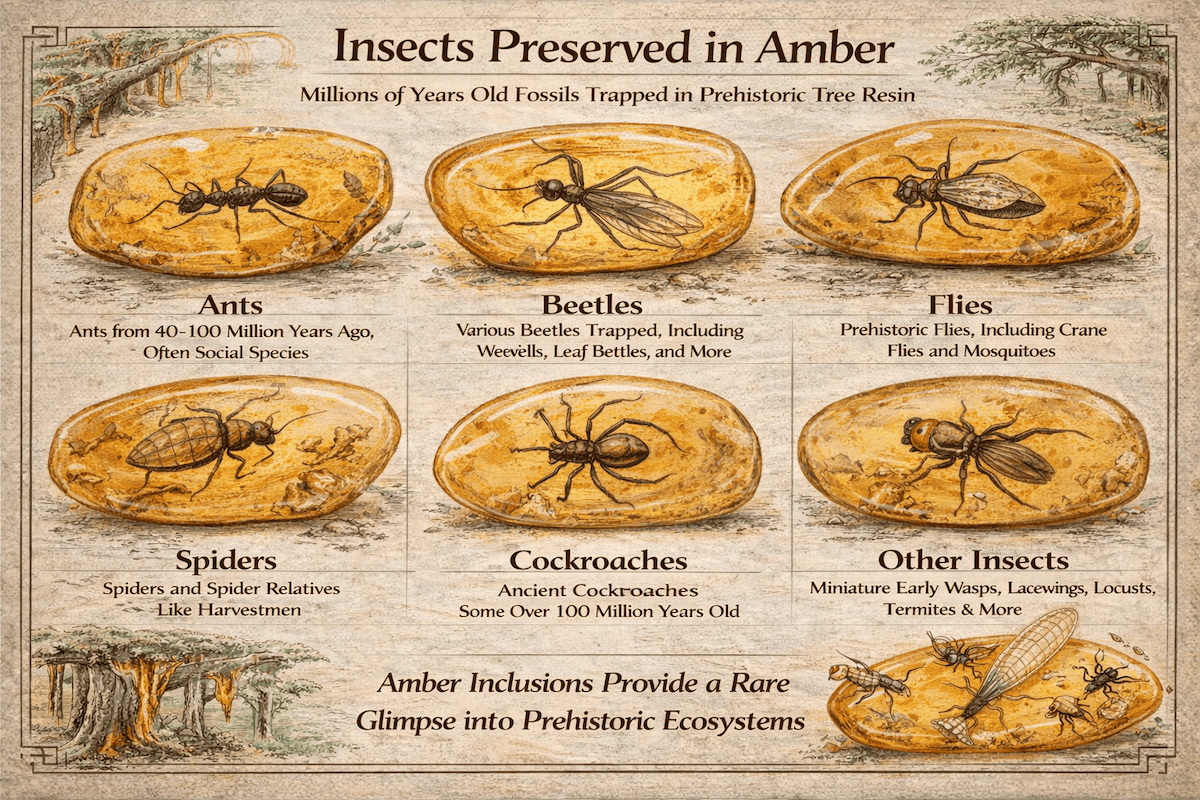
Examples: Amber fossils commonly preserve ants, flies, beetles, spiders, plant material, and even small vertebrates, providing a rare window into ancient ecosystems.
Amber acts as a natural time capsule, preserving organisms with remarkable clarity. Unlike other fossils that form from mineral replacement, amber can retain delicate biological details, offering scientists insight into prehistoric life, behavior, and environments.
Some insects preserved in amber are over 100 million years old, and in rare cases, their cellular structures and pigments are still partially intact.
This process allows scientists to study ancient ecosystems in extraordinary detail, revealing interactions between plants, insects, and environments that existed millions of years ago.
Feel free to share this insects preserved in amber infographic on your website or blog. Please include a link back to this page as the source.
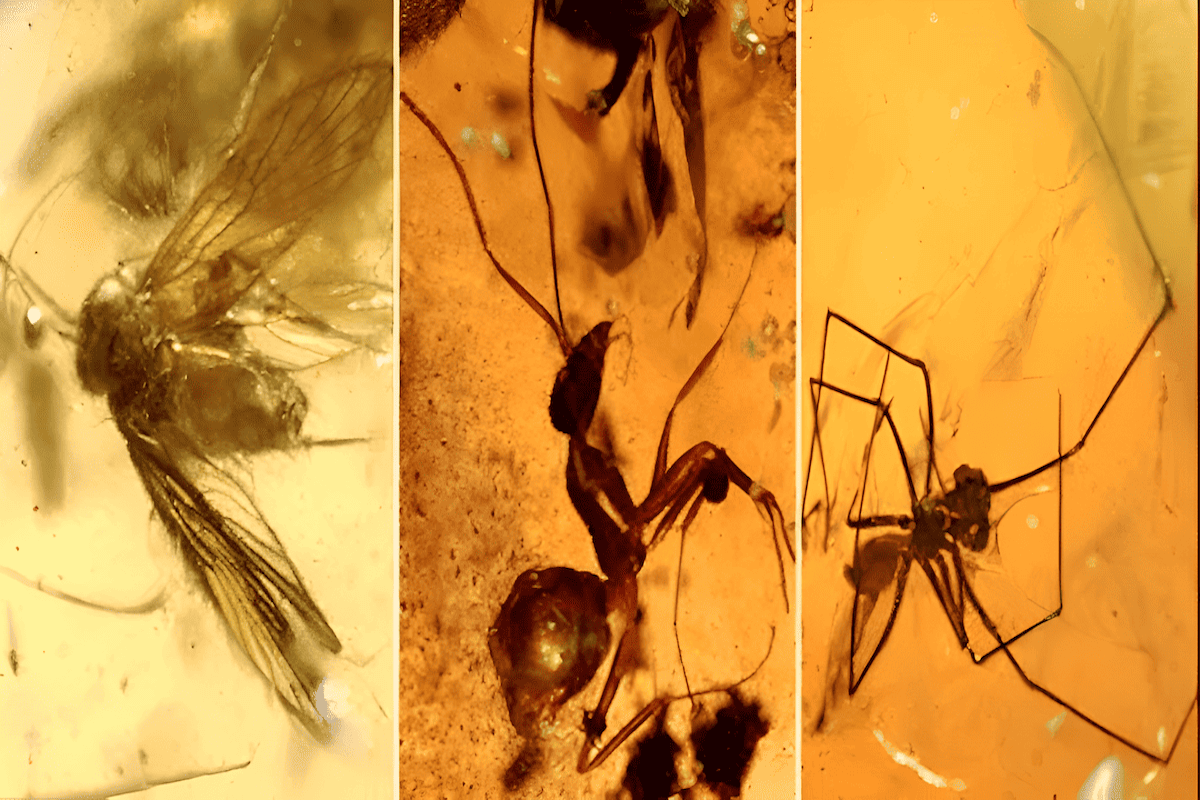
Amber, often described as fossilized tree resin, has fascinated scientists, collectors, and historians for centuries. Unlike most fossils, which preserve only hard parts such as bones or shells, amber can capture entire organisms in stunning, three-dimensional detail. Acting as a natural time capsule, it preserves delicate structures—wings, hairs, eyes, and even microscopic features—offering an unparalleled window into prehistoric life.
These preserved snapshots of ancient ecosystems allow researchers to study species interactions, environmental conditions, and evolutionary processes with extraordinary clarity. Among the most important discoveries in amber are insect inclusions, which have transformed our understanding of life millions of years ago.
Insect inclusions in amber refer to insects and other small organisms that became trapped in sticky tree resin and were preserved as the resin hardened over time. When certain trees—often conifers or other resin-producing species—were damaged, they exuded resin as a protective response. This viscous substance acted like a natural adhesive, capturing insects, spiders, plant fragments, and even tiny vertebrates.
As the resin flowed, it could engulf organisms in layers, sometimes preserving entire scenes of prehistoric life. Over time, the resin hardened and transformed into amber, sealing these organisms in a protective, oxygen-limited environment. This process allowed for exceptional preservation, often retaining fine anatomical details rarely seen in other fossil types.
These inclusions range from microscopic insects to larger arthropods and occasionally small amphibians or reptiles. Each specimen represents a moment frozen in time, offering direct evidence of ancient biodiversity.
Amber formation begins when resin-producing trees release sticky sap in response to injury, disease, or environmental stress. This resin serves as a defense mechanism, sealing wounds and protecting the tree from pathogens and pests. In doing so, it inadvertently traps organisms that come into contact with it.
Initially, the resin is soft and highly adhesive. Over time, it undergoes a series of chemical changes, including polymerization and oxidation, which gradually harden it into a stable, fossilized form. This transformation can take millions of years, often occurring under conditions of burial and pressure.
During this process, the trapped organisms are preserved in remarkable detail. In some cases, even cellular structures, pigments, and behavior-related positions—such as insects interacting or feeding—are retained. This level of preservation is what makes amber so valuable to science.
Insect inclusions provide a unique and highly detailed record of prehistoric ecosystems. Because insects are incredibly diverse and sensitive to environmental changes, they serve as excellent indicators of past climates and habitats.
By studying these inclusions, scientists can:
Unlike compressed fossils, amber inclusions preserve organisms in lifelike positions, often capturing behavior such as predation, mating, or parasitism. This provides a dynamic view of ancient ecosystems, rather than just static remains.
The field of paleontology has been profoundly enriched by amber discoveries. Traditional fossil records are dominated by hard structures—bones, teeth, and shells—leaving soft-bodied organisms underrepresented. Amber fills this gap by preserving delicate organisms that would otherwise be lost to time.
Through amber inclusions, scientists can study:
These insights help researchers trace the evolution of insect lineages, understand how ecosystems responded to major environmental changes, and map the development of biodiversity across geological time.
Amber has long been associated with the idea of preserving ancient DNA, capturing the imagination of both scientists and the public. While the preservation conditions in amber are exceptional, the recovery of intact DNA from millions of years ago remains extremely challenging due to natural degradation over time.
However, amber still plays a critical role in evolutionary research. Even without recoverable DNA, scientists can analyze:
In some rare cases, fragments of biomolecules may be preserved, offering limited genetic or biochemical insights. While full DNA recovery is unlikely for very ancient specimens, amber continues to provide invaluable data for understanding evolution, species adaptation, and the deep history of life on Earth.
Ultimately, insect inclusions in amber represent one of the most powerful tools for studying prehistoric life—capturing not just the form of ancient organisms, but the living moments and ecological interactions that shaped our planet’s biological history.
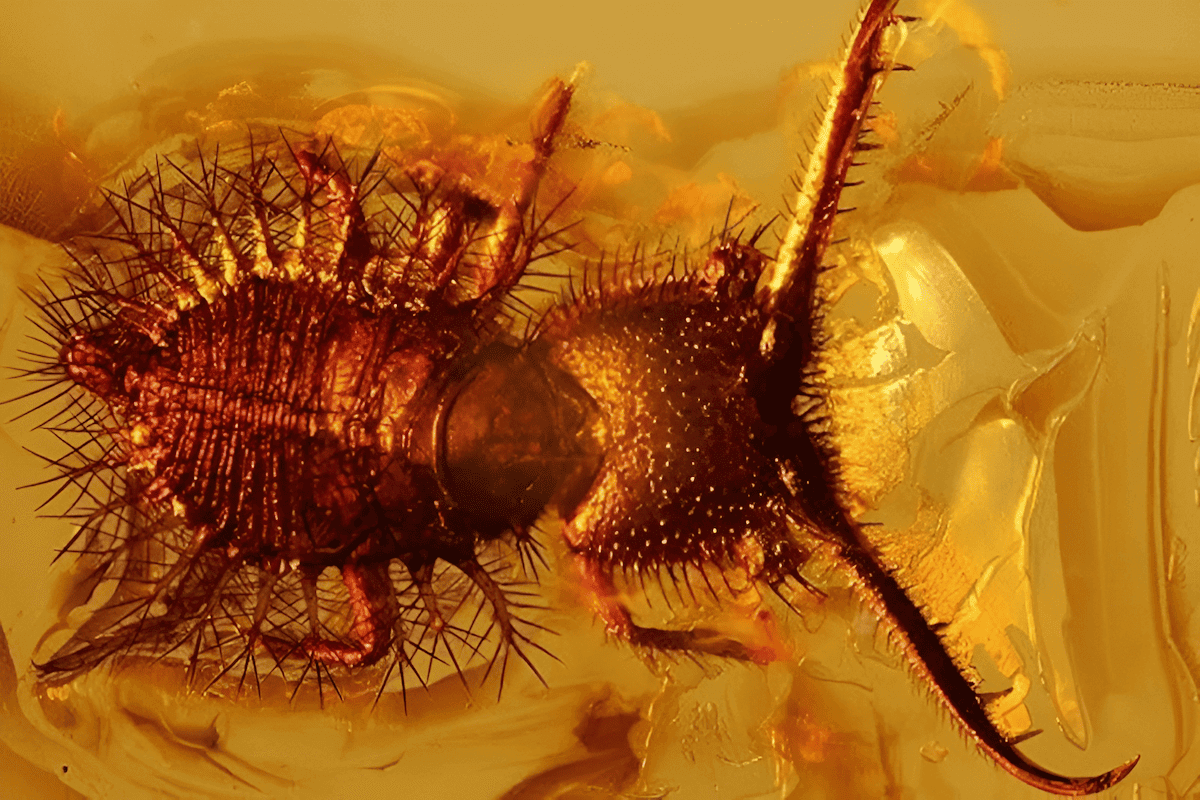
Insect inclusions in amber provide far more than a glimpse into the past—they offer a long-term record of biodiversity spanning tens of millions of years. By analyzing the variety of species preserved in amber, scientists can identify extinct lineages, track shifts in species composition, and understand how ecosystems responded to environmental change.
This historical perspective is invaluable for modern conservation. It allows researchers to:
In essence, amber provides a baseline for biodiversity, helping scientists determine what has been lost, what has persisted, and what may be at risk in the future.
One of the most remarkable contributions of amber is its ability to preserve species that no longer exist. These inclusions often reveal organisms with no direct modern equivalents, offering insights into evolutionary branches that have disappeared over time.
Because amber preserves organisms in exceptional detail, scientists can study:
By comparing these extinct species with modern relatives, researchers can trace evolutionary pathways, identify when key traits emerged, and better understand how life diversified across geological time.
Amber serves as a natural archive of life, preserving organisms from multiple geological periods. While popular imagination often associates amber with the Jurassic period, most well-known amber deposits actually date to later eras such as the Cretaceous (approximately 145–66 million years ago) and the Eocene (56–34 million years ago).
These deposits provide critical insights into:
Each piece of amber represents a moment frozen in time, preserving not just individual organisms, but entire ecological interactions. Together, these specimens help reconstruct the history of life on Earth with remarkable precision.
Beyond its scientific importance, amber has played a significant role in human history and culture. For thousands of years, ancient civilizations have valued amber for its beauty, rarity, and perceived spiritual properties.
Archaeological discoveries reveal that amber was used in:
In some cases, insect inclusions within amber artifacts provide clues about the natural environments where the material was sourced, as well as the ecological knowledge of the people who used it. These findings help bridge the gap between natural history and human history, offering insight into how ancient societies interacted with their environment.
The visual beauty of amber—combined with the intricate detail of preserved insects—has inspired artists and jewelers for centuries. Each piece of amber is unique, often containing delicate inclusions that make it both a scientific specimen and a natural work of art.
Modern artisans continue this tradition by incorporating amber into:
These creations celebrate the intersection of science, nature, and artistry, transforming ancient biological moments into tangible objects that connect us to Earth’s distant past.
From biodiversity research and evolutionary science to cultural heritage and artistic expression, insect inclusions in amber continue to provide profound insights across multiple disciplines. They remind us that even the smallest organisms can leave behind a legacy that endures for millions of years.
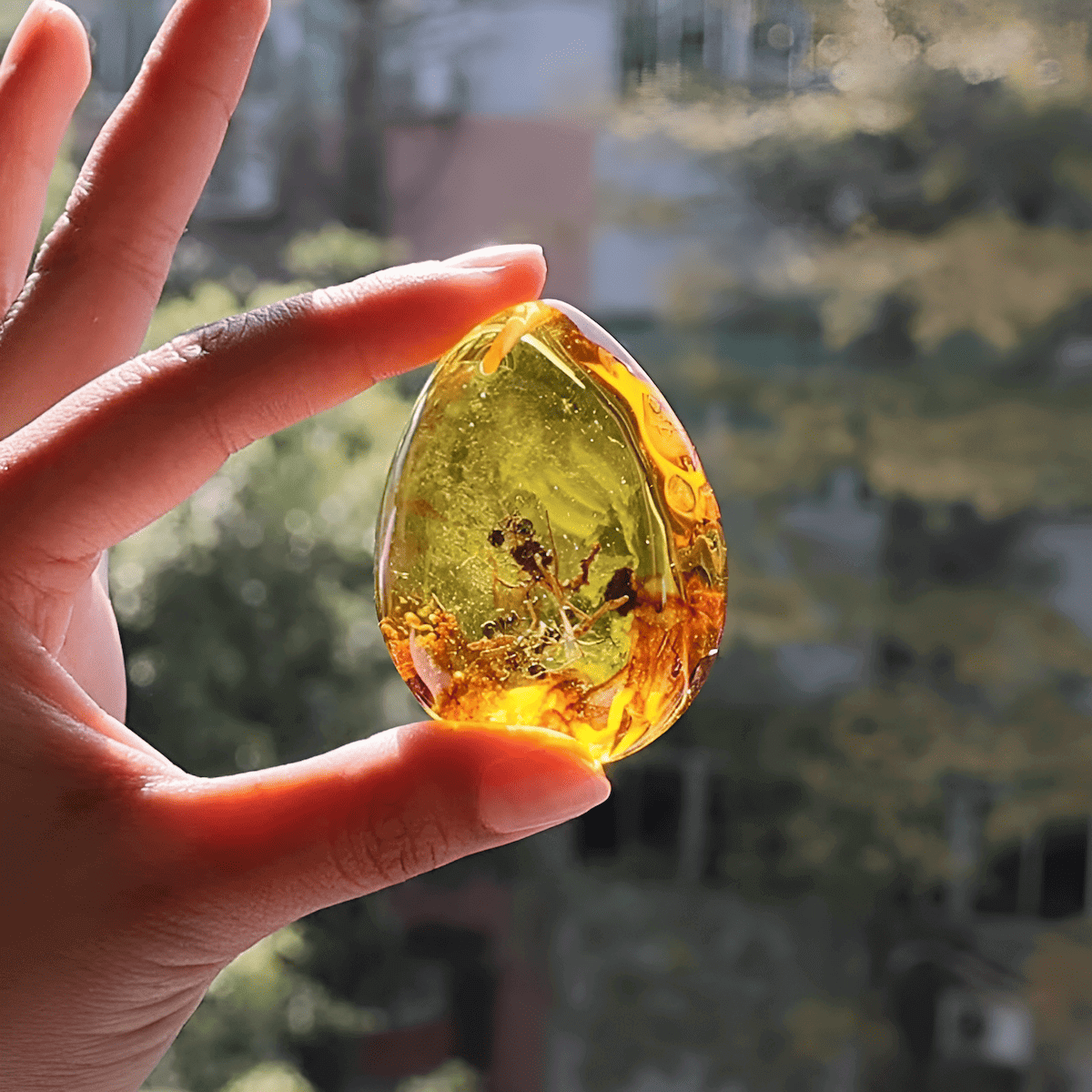
The study of insect inclusions in amber is entering a new era of discovery, driven by rapid advances in imaging, chemistry, and molecular analysis. What was once limited to surface observation is now expanding into detailed, non-destructive exploration of internal structures, chemical signatures, and even traces of ancient biomolecules.
Emerging technologies are transforming the field, including:
These tools allow researchers to explore not just what ancient organisms looked like, but how they functioned, interacted, and evolved within their ecosystems. As a result, amber is becoming a cornerstone of paleobiology and paleoenvironmental reconstruction, helping scientists understand how life responded to past climate changes—insights that are increasingly relevant today.
While insects are the most iconic inclusions, amber preserves a much broader spectrum of life. Botanical materials such as leaves, flowers, seeds, and pollen grains are frequently found alongside insects, providing critical evidence of ancient plant communities and their relationships with pollinators.
In addition to plant material, amber often contains:
These diverse inclusions create a multi-species snapshot of prehistoric ecosystems, allowing scientists to study interactions such as pollination, parasitism, decomposition, and symbiosis. This holistic view is essential for reconstructing ancient food webs and environmental dynamics.
Despite its remarkable preservation, amber research presents unique challenges. Specimens are often fragile, rare, and irreplaceable, requiring careful handling and non-invasive study methods. Traditional extraction techniques can damage inclusions, making modern, non-destructive approaches essential.
Key challenges include:
To overcome these limitations, scientists increasingly rely on high-resolution imaging, digital modeling, and chemical fingerprinting. These techniques allow for detailed study without physically altering the specimen, preserving it for future research as technologies continue to improve.
Insect inclusions in amber have had a profound and lasting impact on multiple scientific disciplines. They have reshaped our understanding of evolution, biodiversity , and ancient ecosystems, revealing details that are impossible to obtain from other fossil types.
These natural time capsules have:
As research continues, amber will remain a critical resource for uncovering Earth’s biological history. Each new discovery adds another piece to the puzzle, helping us better understand the forces that have shaped life over millions of years.
Ultimately, amber is more than a fossil—it is a record of living systems in motion. Its study not only deepens our knowledge of the past but also informs how we approach the future of biodiversity conservation and environmental stewardship.
The story of amber begins with tree resin, a substance that continues to play vital roles in modern ecosystems and human life. From protecting trees against pests and disease to serving as the raw material for products like varnishes, fragrances, and traditional medicines, resin remains an essential natural resource.
Across cultures, tree sap and resin have been used for:
As we continue to explore the scientific importance of fossilized resin, it is equally important to recognize the living systems that produce it today. Sustainable management of forests ensures that these natural processes—and the materials they create—remain available for future generations.
Copyright © All rights reserved Tree Plantation



