INVEST
 PLANT
PLANT
 SOFTWOODS
 HARDWOODS
 CALCULATORS
 RESOURCES
 PROGRAMS

Softwoods
Learn More
OAK • HARDWOOD • LONG-TERM VALUE
Wondering why oak trees are so valuable? Oaks (Quercus species) are among the most durable, long-lived, and ecologically important hardwood trees in the world, valued for timber, wildlife support, and long-term land value.
🌳 Quick answer: Oak trees are highly valuable because they combine strong, premium hardwood, long lifespan, wildlife benefits, and increasing timber value over time.
Examples: Oaks are used for flooring, furniture, barrels, structural lumber, and high-end woodworking, while also producing acorns that support birds and wildlife.
Oak trees are a cornerstone of both natural ecosystems and managed landscapes. Their deep root systems, wide canopies, and long lifespan make them ideal for shade, soil stability, biodiversity, and long-term carbon storage.
Use our Tree Value Calculator to estimate the long-term worth of oak trees on your property—including timber value, carbon storage, and landscape benefits.
In addition to timber value, oak trees provide significant ecological services. They support hundreds of species of insects, birds, and mammals, making them one of the most important trees for biodiversity and habitat creation.
Key insight: Oak trees increase in value over time—both financially and ecologically— making them one of the best long-term planting investments for landowners.
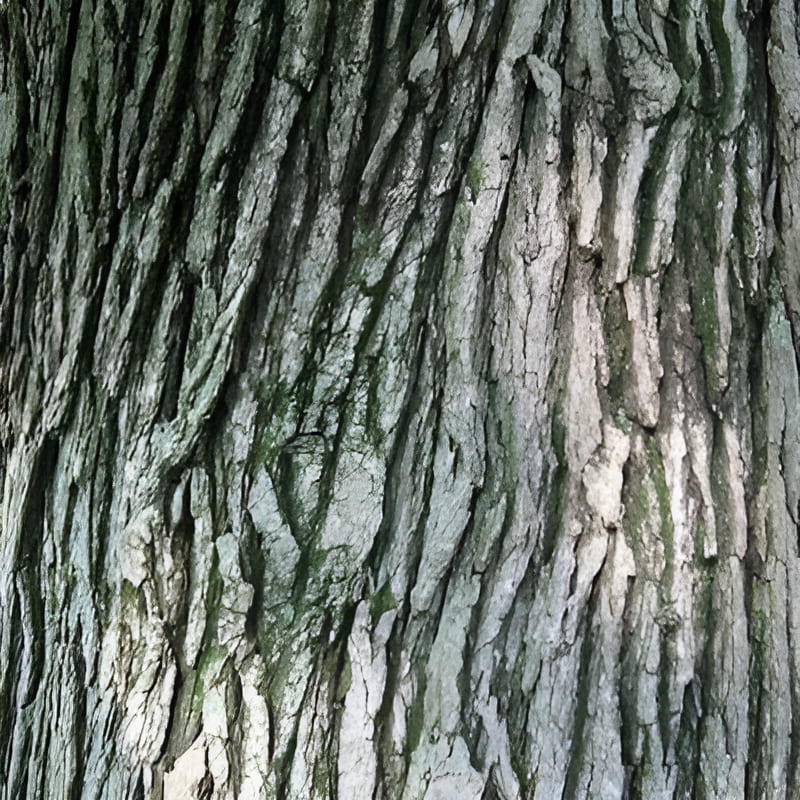
Oak trees, members of the genus Quercus, are among the most admired and economically important hardwood trees in the world. Known for their strength, longevity, broad canopies, deeply textured bark, and distinctive acorns, oaks are planted for shade, wildlife value, landscape beauty, and premium timber. Native oak species grow across North America, Europe, and Asia, and many have become essential trees in parks, estates, streetscapes, reforestation projects, and commercial hardwood systems.
Whether you are planting English oak, bur oak, pin oak, red oak, or white oak, these trees can serve multiple purposes at once. They provide cooling shade, improve property value, support birds and wildlife, store carbon, and in some cases produce highly valuable lumber. For landowners and growers with a long-term vision, oak trees can be both a landscape asset and a legacy investment. To compare the two leading commercial groups, jump to the White Oak vs Red Oak table.
Oak trees offer more than one path to value. Some species are planted primarily as landscape trees, where they provide shade, beauty, seasonal interest, and habitat. Others are managed for timber, veneer, cooperage, wildlife restoration, or conservation planting. This flexibility makes oaks particularly attractive to landowners who want trees that combine practical performance with long-term upside.
English oak is often planted as a grand ornamental tree in parks, estates, and large landscapes. Bur oak is valued for toughness, drought tolerance, and adaptability in windbreaks and open settings. Pin oak is a familiar urban and suburban shade tree because of its strong pyramidal structure when young. Red oak is a fast-growing, handsome hardwood used in landscaping and timber production. White oak, by contrast, stands out as one of the most important species for both ecological and commercial value.
For growers interested in timber, oak can be integrated into long-term plantation strategies, agroforestry systems, or mixed hardwood plantings. Success depends on selecting the right site, spacing trees appropriately, managing competition early, and thinking in decades rather than seasons. Oaks are not a quick-turn crop, but they can become one of the most durable and valuable assets on a property. For planting layout, use the Tree Spacing Calculator.
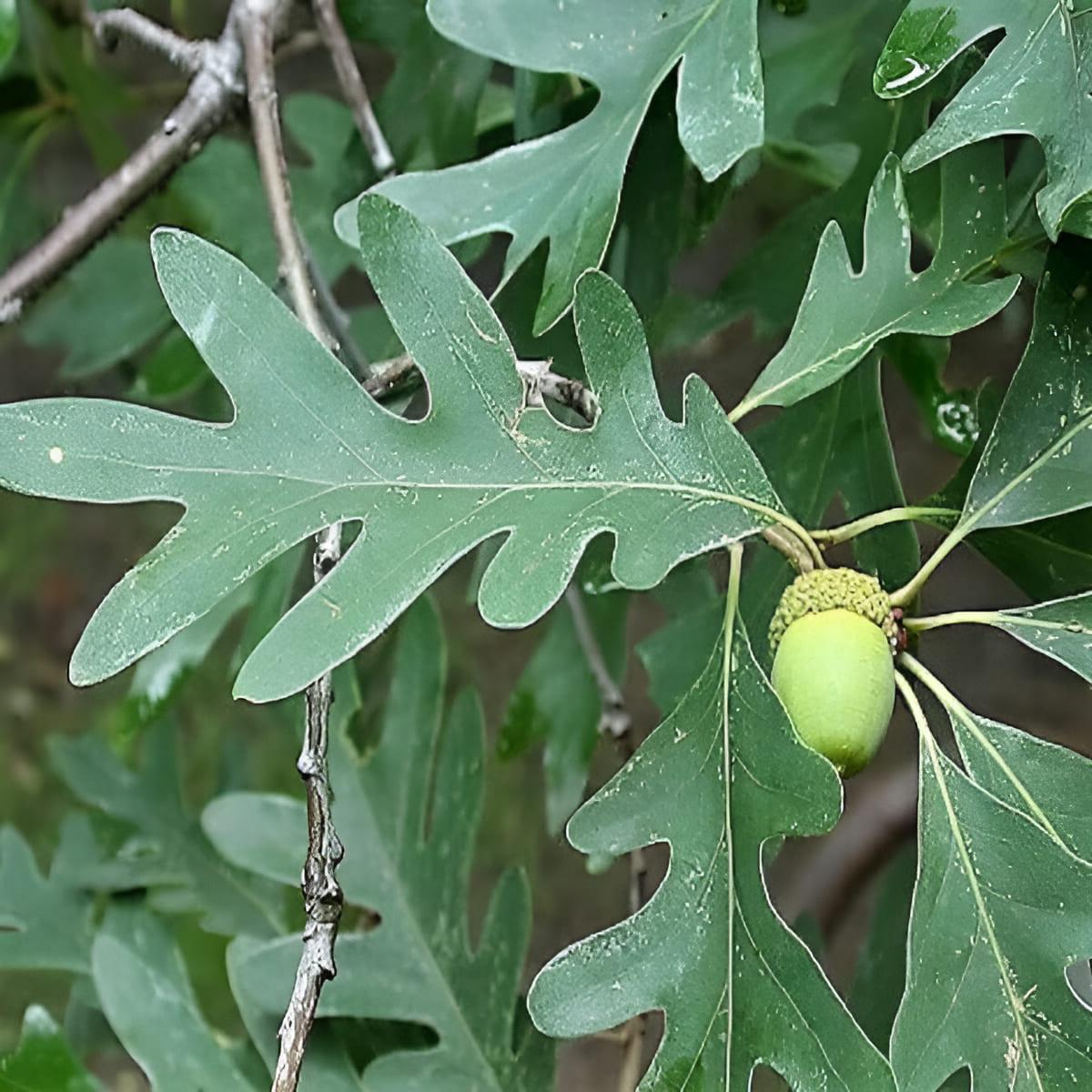
White oak (Quercus alba) is widely regarded as one of the most valuable and versatile oak species in North America. It is prized for its strength, dimensional stability, attractive grain, durability, and natural resistance to moisture penetration. These qualities make white oak highly desirable across a wide range of industries, from fine woodworking and flooring to outdoor applications and cooperage.
Unlike many hardwoods, white oak contains tyloses that help block water movement through the wood, making it especially useful where moisture resistance matters. This single trait has helped elevate white oak into premium categories for barrels, exterior products, marine applications, and specialty construction uses. For plantation-minded investors and landowners, white oak represents a long-horizon species with strong market recognition and durable demand. You can also use the Tree Value Calculator to estimate long-term specimen and timber value.
White oak performs best when growers focus on tree quality from the beginning. It is not enough to simply plant trees and wait. Long-term value comes from choosing the right site, maintaining form, controlling competition, and managing the stand so the best trees have room to develop.
The long-term outlook for premium oak products remains strong, especially where demand continues for sustainable hardwood flooring, furniture, architectural wood, barrels, and durable exterior products. White oak in particular benefits from a rare combination of beauty, performance, and market recognition. As high-quality large-diameter hardwood becomes harder to replace, well-managed oak stands may become even more valuable.
Beyond timber alone, oak plantings also generate returns through shade value, wildlife value, property enhancement, restoration value, and carbon benefits. That makes oak trees especially attractive for landowners who want investments that are not purely financial. A healthy oak planting can improve land function today while building a stronger asset base for the future.
For growers, landowners, and long-view investors, oak trees represent one of the best combinations of beauty, resilience, utility, and enduring value in the hardwood world.
White oak and red oak are the two most commercially important oak groups in North America. While they share many characteristics, their performance, appearance, and market value differ significantly.
| Feature | White Oak (Quercus alba) | Red Oak (Quercus rubra) |
|---|---|---|
| Growth Rate | Moderate (slower, denser wood) | Faster growth |
| Wood Density & Strength | Very dense, strong, highly durable | Strong but slightly less dense |
| Water Resistance | Excellent (closed grain structure) | Low (open grain absorbs moisture) |
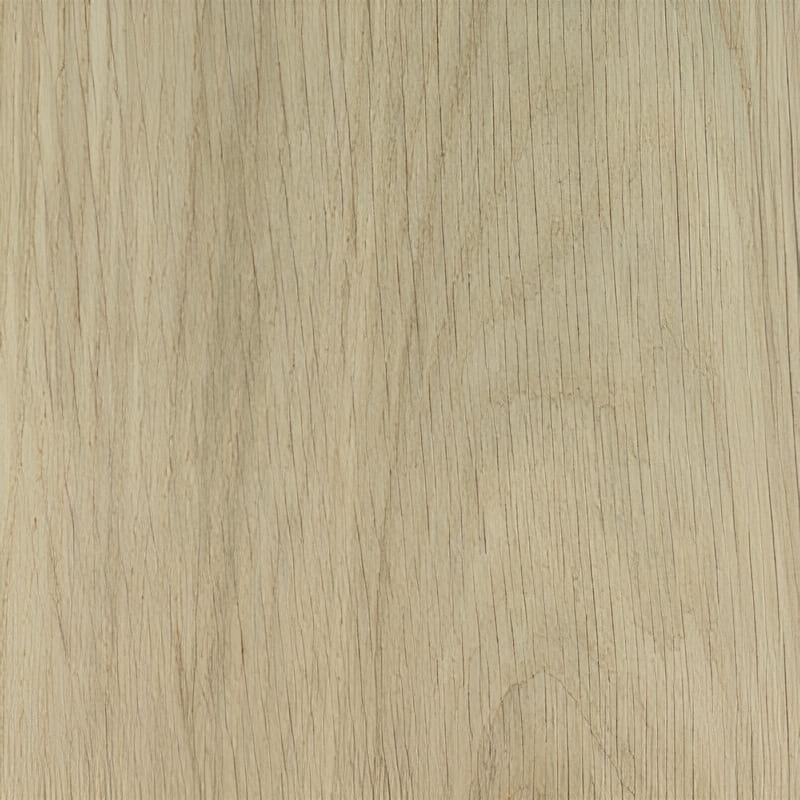
| Grain Appearance | Tighter, more subtle grain | Bold, open grain pattern |
| Color | Light tan to medium brown | Pinkish to reddish tones |
| Primary Uses | Flooring, furniture, barrels, decking, exterior use | Flooring, furniture, cabinetry, interior trim |
| Outdoor Suitability | Excellent | Poor (not ideal for exterior exposure) |
| Barrel / Cooperage Use | ✔ Yes (industry standard) | ✖ No |
| Price per Board Foot 💰 | $8 – $20+ (premium grades can exceed this) | $3 – $10 (depending on grade and market) |
| Market Value | Higher premium value | Moderate value |
| Best For | Long-term investment, premium wood markets, outdoor durability | Faster growth, interior wood products, general-purpose use |

Not all oak trees are valued equally. Veneer-quality logs—long, straight, defect-free trunks—can command 2× to 5× higher prices per board foot than standard sawlogs. These premium logs are often used for fine furniture, architectural panels, and specialty wood products.
In contrast, sawlogs are more common and are used for flooring, cabinetry, and general lumber. While still valuable, they typically contain more knots, taper, or curvature, which reduces their overall market price.
High-quality white oak sawlogs—especially straight, branch-free logs in the 10–30 foot range—are among the most valuable hardwood products in the world. Logs with minimal knots, tight grain, and consistent diameter are often graded for veneer, the highest-value use in the timber market. These premium logs are peeled or sliced into thin sheets for architectural paneling, fine furniture, cabinetry, and luxury interiors.
The most exceptional white oak logs—those with long, clear stems and uniform structure—can command premium prices and are frequently exported. In many cases, 20–30 foot clear logs are shipped as single, uncut lengths in intermodal containers to international mills, where they are processed for high-end veneer and specialty wood markets. These logs represent decades of careful growth and are often considered “legacy timber,” with values far exceeding standard sawlogs.
White oak (Quercus alba) is also one of the more adaptable and faster-growing species within the oak group when planted under the right conditions. While oaks are generally known for their long maturation cycles, white oak performs well in well-drained soils with full sun and adequate spacing. In landscape settings, it is highly prized as a shade tree due to its broad, rounded canopy, strong structure, and long lifespan.
In managed settings—such as woodlots, agroforestry systems, or plantation-style plantings—white oak can produce high-quality timber over time with proper spacing, pruning, and competition control. Early management to promote a straight central leader and reduce lower branching is critical for producing long, clear logs that meet veneer and premium sawlog standards.
Compared to many hardwoods, white oak offers an excellent balance between growth performance and long-term value. While it does not grow as quickly as softwoods or some fast-growing hardwoods, it consistently produces dense, durable wood that appreciates in value as the tree matures. This makes it an ideal species for landowners seeking both ecological benefits and long-term financial return.
For landowners and growers, the real opportunity lies in growing for quality—not just volume. A single well-managed white oak tree with a straight trunk and minimal defects can be worth significantly more than multiple lower-quality trees. Over time, this focus on form, spacing, and site selection can turn a stand of oaks into a highly valuable timber asset while also enhancing wildlife habitat, soil health, and overall land value. Compare these strengths with red oak and review the side-by-side table here.
Different oak species excel in different roles. Some are better for deep shade and long-term landscape presence, while others stand out for timber value, wildlife support, or faster early growth. This quick comparison can help landowners, growers, and planners choose the right oak tree for the right purpose.
| Use | Best Oak Tree | Why It Stands Out |
|---|---|---|
| Shade | Bur Oak | Bur oak develops a massive, broad-spreading canopy and is one of the best long-term shade trees for open landscapes, parks, and large properties. |
| Timber | White Oak | White oak is the top choice for premium hardwood value thanks to its strength, closed grain, moisture resistance, and demand in veneer, flooring, cooperage, and specialty markets. |
| Wildlife | Swamp White Oak / Bur Oak | Both species produce valuable acorns for birds and mammals, support habitat diversity, and perform well in restoration, conservation, and mixed native plantings. |
| Fast Growth | Red Oak / Pin Oak | Red oak and pin oak generally establish faster than many other oaks, making them strong choices for earlier canopy development, earlier thinning opportunities, and quicker landscape impact. |
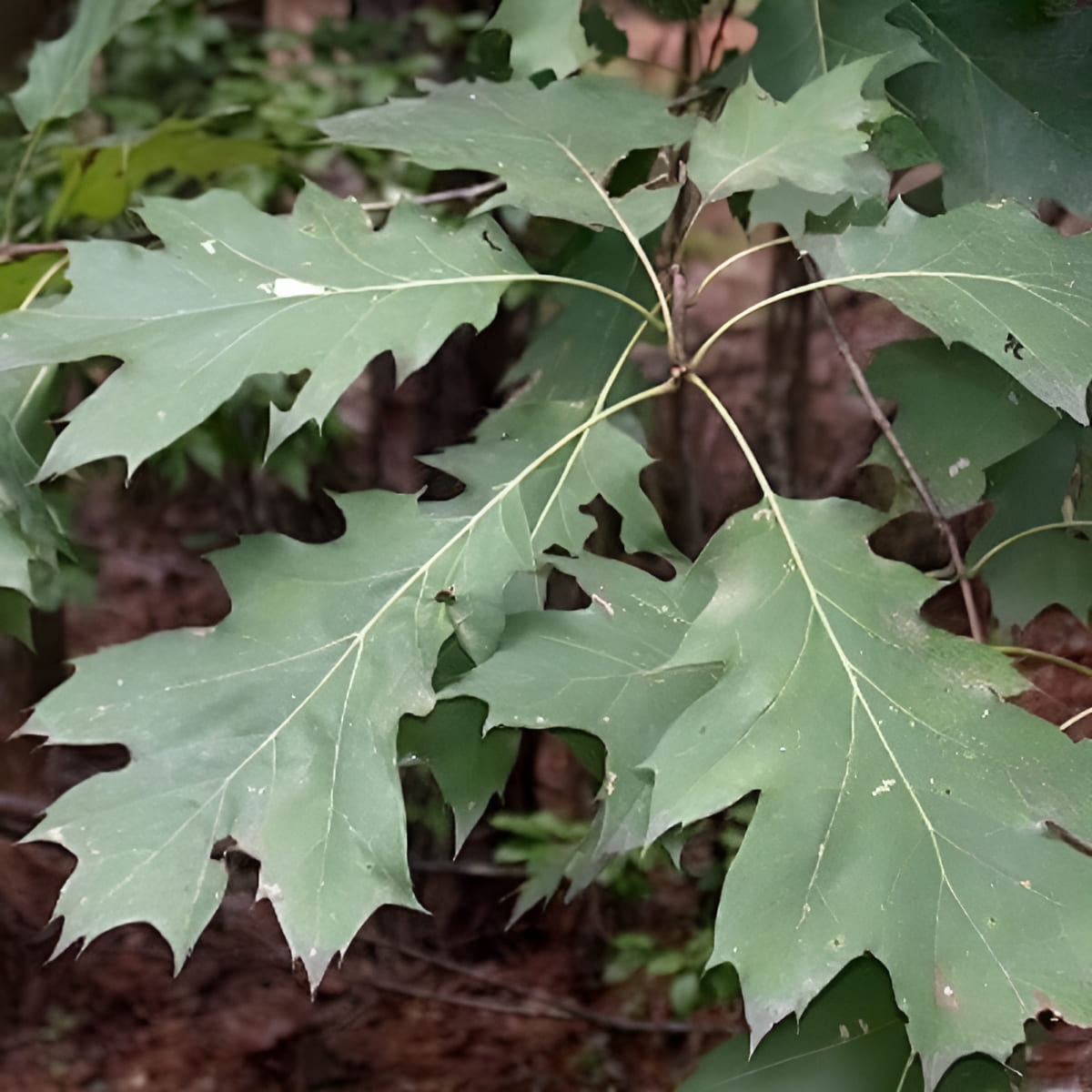
Red oak (Quercus rubra) is one of the most widely used and commercially important hardwoods in North America. Native to the eastern United States and Canada, red oak is valued for its faster growth rate, consistent supply, and strong market demand across flooring, furniture, cabinetry, and construction sectors.
While it is sometimes used as an alternative to white oak, red oak stands on its own as a highly practical species for growers. Its ability to establish quickly, adapt to a range of soils, and produce usable timber in a shorter timeframe makes it especially attractive for tree farmers seeking earlier returns and scalable hardwood production.
Red oak is considered one of the more forgiving hardwood species to establish, but proper management is still essential to produce high-quality timber.
Red oak continues to be a cornerstone species in the hardwood market due to its versatility and availability. It serves a wide range of industries, making it a dependable choice for growers and timber managers.
For tree farmers, red oak offers a balance of growth speed, reliability, and market access. While it may not command the same premium pricing as white oak, its shorter time to market and broad range of uses make it a strong component of diversified hardwood plantings.
When combined with species like white oak in mixed plantings, red oak can provide earlier income opportunities through thinning and intermediate harvests, while longer-lived species continue to mature into higher-value timber over time. For site planning, visit the oak growing zones section.

Oak trees grow best in regions that closely match their native climate, soil, and seasonal moisture patterns. In North America, many of the most important oak species—including white oak and red oak—are naturally concentrated in the eastern United States, where warm summers, moderate to ample rainfall, and a wide range of well-drained soils provide excellent growing conditions.
States such as Tennessee, Kentucky, Missouri, Virginia, North Carolina, Pennsylvania, and parts of the Midwest are especially well suited for oak growth. These regions support both natural oak forests and managed hardwood stands because they offer the combination of seasonal rainfall, fertile soils, and temperature patterns that allow oaks to establish deep roots, develop strong trunks, and mature into high-value landscape and timber trees.
White oak (Quercus alba) generally performs best in well-drained upland soils and is widely adapted throughout the eastern half of the United States. Red oak (Quercus rubra) also thrives across a broad native range and is often favored for its faster growth, adaptability, and strong performance in both forest and landscape settings. In the right location, both species can become long-lived canopy trees that provide shade, wildlife habitat, carbon storage, and valuable hardwood timber.
Although oak trees are most strongly associated with Eastern North America, they can also be grown successfully outside their traditional range in carefully selected microclimates. In portions of the Pacific Northwest, including areas of Washington State and the coastal interior of British Columbia, red and white oaks may perform well where summers are warm enough, winter cold is not extreme, soils are reasonably well drained, and young trees receive proper establishment care.
In western regions, success often depends on choosing protected sites with the right sun exposure, irrigation during establishment, and soils that do not remain waterlogged. Many oaks are now used successfully in parks, estates, large residential landscapes, and mixed-species plantings in these areas, proving that with thoughtful site selection, oak cultivation can extend beyond its classic eastern range.
For growers and landowners, the key is matching the oak species to the site. Soil drainage, summer heat, winter lows, rainfall patterns, and available rooting depth all influence long-term success. When planted in a suitable growing zone and given proper early care, oak trees can thrive for generations, enhancing landscapes, strengthening ecosystems, and building long-term land value across much of North America. Species with especially strong site adaptation include bur oak, swamp oak, and pin oak.

Black oak—most commonly Quercus velutina in the eastern United States—is a hardy, adaptable hardwood known for its ability to grow in poor, dry, or disturbed soils where other tree species struggle. Unlike white and red oaks, which often dominate fertile valleys and bottomlands, black oak is typically found on upland ridges, sandy slopes, and marginal sites, making it an excellent candidate for land restoration and reclamation projects.
In different regions, black oak is also referred to as yellow oak (Kentucky), yellowbark oak (Tennessee), and smoothbark oak (Georgia), reflecting variations in bark texture and local naming traditions. While it may not command the same premium timber value as white oak, black oak plays a critical role in ecosystem recovery, soil stabilization, and wildlife support.
As a reclamation species, black oak is especially valuable. It can establish on degraded lands, former agricultural fields, and erosion-prone hillsides, helping to rebuild soil structure and initiate long-term forest succession. Its deep root system improves soil integrity, while its leaf litter contributes organic matter that enhances fertility over time.
Black oak is also an important wildlife tree. Its acorns provide a reliable food source for deer, turkey, squirrels, and other forest animals, while its branching structure offers shelter and nesting opportunities. For landowners focused on habitat creation, black oak can be a foundational species in mixed hardwood plantings.
The term “black oak” can refer to several species depending on region, most notably:
For landowners and restoration-focused growers, black oak represents resilience over refinement. It may not produce the highest-value veneer logs, but it excels in challenging environments where establishing tree cover is the first priority. Over time, black oak can help transform degraded land into productive, biodiverse woodland—laying the foundation for future forest value, both ecological and economic.

Swamp oaks are a group of oak species adapted to wet, low-lying environments such as floodplains, river bottoms, swamps, and poorly drained soils. Unlike many upland oaks, these trees are highly tolerant of periodic flooding and saturated soils, often growing alongside other moisture-loving hardwoods like basswood, cherry, and elm.
These trees are sometimes referred to as “root-wet hardwoods” because their root systems are adapted to fluctuating water levels. In the right conditions, swamp oaks can grow steadily and develop into strong, medium-to-large canopy trees. Their ability to thrive where other species struggle makes them especially valuable for riparian buffers, stormwater zones, and wetland restoration.
While swamp oak wood can resemble white oak in color and grain, the trees themselves often develop more irregular trunks and branching patterns, particularly in unmanaged or crowded environments. This can limit their value for high-grade timber, but it does not diminish their importance in ecological and landscape applications.
The term “swamp oak” can refer to several species adapted to wetland environments. Two of the most important include:
Swamp oak wood shares many characteristics with other white oak group species, including strength and durability, but is typically used in more general applications due to variable log form.
Despite their lesser role in high-end timber markets, swamp oaks are highly valued in landscape design and urban forestry. Their tolerance to wet soils, compacted ground, and variable conditions makes them ideal for:
Their broad canopies, attractive foliage, and adaptability make them a reliable choice where other hardwoods may fail.
Swamp oaks play a critical role in wetland ecosystems. They help stabilize soils, regulate water flow, and provide essential habitat for a wide range of wildlife. Their acorns are an important seasonal food source for birds, deer, and small mammals, while their branches and canopy offer nesting and shelter opportunities.
However, swamp oak habitats are increasingly threatened by wetland drainage, development, and land conversion. Protecting and restoring these environments is essential to maintaining biodiversity, improving water quality, and preserving natural flood control systems.
Swamp oaks represent resilience and ecological strength. While they may not always produce premium timber, their value in land restoration, wildlife support, and adaptable landscape use makes them one of the most important oak groups for sustainable land management.

Pin oak (Quercus palustris) is one of the most widely planted oak species in North America, valued for its rapid growth, symmetrical shape, and strong visual appeal. Native to the eastern United States, pin oak thrives in lowland areas and is especially well-suited for urban landscapes, parks, golf courses, and large residential plantings.
One of the most recognizable features of pin oak is its distinct branching structure: upper branches grow upward, middle branches extend horizontally, and lower branches angle downward toward the ground. This layered form gives the tree a clean, pyramidal silhouette when young, making it a favorite for structured landscape design. However, this same branching habit can reduce its value as a timber tree, as it often leads to knots and defects in the trunk.
Pin oak is particularly well adapted to moist, poorly drained, or slightly acidic soils, making it a strong performer in areas where other hardwoods may struggle. It tolerates seasonal flooding better than many upland oaks, but it can develop chlorosis (leaf yellowing) in alkaline soils, especially in parts of the western United States.
While pin oak is technically part of the red oak group and shares similar wood characteristics, it is generally considered a lower-value timber species. The tree’s natural branching pattern often results in shorter, knotty logs that are less suitable for high-grade lumber or veneer.
That said, pin oak wood is still strong, durable, and workable, and it is used in:
Pin oak’s greatest strength lies in its landscape performance. Its fast growth, uniform shape, and vibrant fall color make it one of the most reliable choices for large-scale planting projects. It is commonly used in:
With proper spacing and pruning, pin oak can develop into a strong, attractive shade tree that provides cooling canopy, visual structure, and long-term landscape value.
For landowners and planners, pin oak is best viewed as a high-performance landscape tree rather than a premium timber species. It delivers fast results, strong visual impact, and dependable growth—making it an excellent choice for projects where shade, structure, and adaptability are the primary goals.

Bur oak (Quercus macrocarpa) is one of the most durable and adaptable oak species in North America. Known for its massive size, thick bark, and wide-spreading canopy, bur oak is a true full-sun tree that thrives in open landscapes, prairies, and transitional woodland edges. It is widely regarded as one of the best long-term shade trees, capable of creating expansive cooling cover for homesites, parks, pastures, and agricultural systems.
Unlike high-value timber species such as white oak, bur oak often develops low, heavy branches and a broad crown, especially when grown in open conditions. This growth habit limits its use for premium sawlogs or veneer, but significantly increases its value in landscape design, habitat creation, and agroforestry systems.
Bur oak is exceptionally resilient and can tolerate a wide range of environmental conditions, making it one of the most versatile oak species for planting.
Bur oak is increasingly recognized as a valuable tree for agroforestry systems. Its wide canopy provides shade for livestock, reduces heat stress, and creates microclimates that support understory plants and soil regeneration.
In landscape settings, bur oak is prized for its longevity, strength, and commanding presence. It can live for centuries and become a defining feature of a property. While it may not produce the highest-value timber logs, it delivers significant value through:
Bur oak is a tree of resilience and permanence. For landowners focused on long-term land improvement, habitat creation, and multifunctional landscapes, it offers one of the strongest combinations of durability, ecological value, and shade performance in the oak family.

The term “California oak” is often used broadly, but in reality, California is home to a diverse group of native oak species uniquely adapted to the state’s varied landscapes—from coastal fog belts and inland valleys to foothills, mountains, and islands. These oaks are foundational to California’s ecosystems and have evolved to thrive in Mediterranean climates with wet winters and long, dry summers.
Among the most recognized California oak species are:
California oaks are among the most important ecological trees in the western United States. They support hundreds of species of wildlife, including birds, mammals, insects, and fungi. Oak woodlands are considered biodiversity hotspots, providing:
Unlike eastern hardwood species such as white oak and red oak, most California oak species are not widely used for commercial timber production. Their growth patterns—often irregular, multi-branched, or twisted—make them less suitable for large-scale lumber or veneer markets.
However, this does not diminish their value. California oaks are far more important as ecological assets, landscape trees, and conservation species than as timber resources.
California oaks are widely used in landscape design, restoration projects, and large-scale natural plantings due to their beauty, adaptability, and drought tolerance.
These trees are commonly planted in parks, golf courses, campuses, and residential landscapes, particularly in designs that emphasize native and water-wise planting strategies.
California oaks represent resilience, adaptation, and ecological richness. While they may not produce high-value timber, they are essential to the health of California’s landscapes—supporting wildlife, conserving water, and defining the natural character of the region for generations to come. For a comparison with eastern hardwood species, see white oak and red oak.

From maple to oak, hardwoods whisper of centuries past, their slow growth a testament to patience and value over time.
Partner with us in a land management project to repurpose agricultural lands into appreciating tree assets. We have partnered with growingtogive.org , a 501(c)(3) nonprofit, to create tree-planting partnerships with land donors.
We have partnered with growingtogive.org , a Washington State nonprofit, to create a land and tree partnership program that repurposes agricultural land into appreciating tree assets.
The program utilizes privately owned land to plant trees that benefit both the landowner and the environment.
If you have 100 acres or more of flat, fallow farmland and would like to plant trees, we would like to talk to you. There are no costs to enter the program. You own the land; you own the trees we plant for free, and there are no restrictions—you can sell or transfer the land with the trees anytime.
Pin oak (Quercus palustris) and swamp white oak (Quercus bicolor) both tolerate wet conditions, but they differ in form, site preference, and appearance. Pin oak typically grows faster in poorly drained, acidic soils and is known for its sharply pointed, deeply cut leaves and lower branches that droop downward on young trees. It often develops a neat, pyramidal shape, which is why it is so popular in landscapes.
Swamp white oak usually grows in lowlands, floodplains, and seasonally wet soils, often on heavier soils and in tougher restoration settings. Its leaves have broader, shallower lobes and pale, almost whitish undersides. Mature trees develop a more rounded, open crown than pin oak. Swamp white oak acorns are often larger and especially attractive to wildlife, making the species valuable for habitat planting and wetland restoration.
White oak is usually more valuable because its wood has a tighter, more closed grain structure and contains abundant tyloses, which block the pores and make the wood naturally more resistant to moisture. That extra durability gives white oak an edge in higher-value applications such as barrel staves, cooperage, exterior millwork, boatbuilding, premium flooring, and specialty joinery.
Red oak is still a major commercial hardwood used for flooring, cabinetry, trim, furniture, and general lumber, but its more open pores make it less suited for moisture-prone uses. In many markets, that keeps red oak pricing below comparable high-grade white oak, especially for veneer-quality logs and long, clear sawtimber.
No. Swamp white oak is closely associated with wet lowlands, streambanks, floodplains, and pond edges, but it does not have to grow in standing water all the time. Once established, it can adapt to moderately drier conditions, which is one reason it is used in stormwater projects, restoration plantings, and difficult urban sites.
It performs best where soils stay consistently moist or are seasonally wet, especially during establishment. That said, it is more flexible than its name suggests and can succeed outside true swamp conditions if the site is not excessively dry or shallow.
Yes. Both white oak and red oak can be excellent trees for long-rotation timber plantings when matched to the right soils and managed carefully. White oak is particularly valuable for veneer, cooperage, premium flooring, and clear sawlogs, while red oak is important for furniture, flooring, cabinetry, millwork, and general hardwood lumber.
Success depends on more than just planting trees. High-value oak production requires good site selection, proper spacing, weed control, pruning for clear stems, and thinning over time. A well-managed planting can produce high-grade sawlogs and potentially veneer logs, especially if the goal is to grow fewer, straighter, better-formed trees. You can use the Tree Value Calculator to estimate the long-term value of individual specimen trees or future timber assets.
Absolutely. Oaks are among the most important trees for carbon storage, habitat creation, and long-term land recovery. Their deep root systems help stabilize slopes, improve soil structure, and build resilience into degraded landscapes. Oak leaf litter also contributes organic matter, supports fungi and soil life, and strengthens forest nutrient cycles.
Species such as black oak, swamp white oak, bur oak, and pin oak are frequently used in wildlife projects, riparian restoration, degraded farmland recovery, and reforestation efforts. When combined with native understory plants and companion hardwoods, oaks can anchor long-lived ecosystems that support biodiversity, future timber value, and even biomass products.
Several oak species make outstanding shade trees, but the best choice depends on your site and long-term goals. Bur oak is one of the best shade oaks for open landscapes because it develops a massive, spreading canopy and handles drought, wind, and tough conditions well. White oak is also a superb shade tree, especially where you want beauty, longevity, and strong landscape value.
Pin oak is often chosen where faster early growth and a tidy form are priorities, while swamp white oak is a strong option for wetter sites. If your goal is a legacy tree that provides generations of cooling cover, habitat, and visual presence, oaks are among the best trees you can plant.
Oak growth rates vary by species, site quality, moisture, and management. In general, red oak and pin oak tend to grow faster than white oak in their early years, while white oak is often slower but produces exceptionally valuable wood over time. Bur oak may grow steadily but is often prized more for resilience and longevity than speed.
Healthy soil, full sun, adequate spacing, and early competition control can make a major difference in growth rate. Oaks are not typically considered “fast” compared to softwoods, but on the right site they can establish well and build significant long-term value as their trunks enlarge and wood quality improves.
Most oak trees prefer well-drained soils, but there is considerable variation among species. White oak and red oak usually perform best on deep, moderately fertile upland soils with good drainage. Swamp white oak and pin oak can handle wetter or seasonally saturated sites, although pin oak tends to prefer more acidic soils.
Bur oak is one of the most adaptable species and can tolerate heavier, drier, or even somewhat alkaline soils. Matching the species to the soil is one of the most important steps in successful oak planting. If spacing is part of your planting plan, the Tree Spacing Calculator can help you design a healthier stand from the beginning.
Yes, acorns are edible, but they usually require processing before people eat them. Most acorns contain tannins, which create bitterness and can irritate digestion if not leached out. After shelling and leaching, acorns can be ground into flour or used in traditional foods.
Some oak species, especially those in the white oak group, tend to produce acorns that are lower in tannins and therefore easier to process. Even when they are not harvested for human use, acorns are one of the most important food sources for deer, wild turkey, squirrels, and many other wildlife species.
Oak trees are among the best wildlife trees in North America. They provide food, shelter, nesting sites, and insect habitat across all seasons. Acorns feed mammals and birds, while leaves and bark support insects that in turn feed songbirds and other wildlife. Older oaks can also develop cavities and heavy limbs that create nesting and cover opportunities.
For landowners, this means oak trees offer value beyond timber or shade alone. Planting oaks can improve biodiversity, strengthen food webs, and make a property more attractive for conservation, hunting, restoration, or natural landscape goals.
Copyright © All rights reserved Tree Plantation