

 INVEST
 PLANT
PLANT
 SOFTWOODS
 HARDWOODS
 CALCULATORS
 RESOURCES
 PROGRAMS

Softwoods
Learn More
RARE • ANCIENT • LIVING FOSSIL
Wondering what the Wollemi pine is and why it’s called a “dinosaur tree”? The Wollemi pine (Wollemia nobilis) is an extremely rare and ancient conifer once thought extinct and known only from fossils.
🌲 Quick answer: The Wollemi pine is a living fossil—a tree species dating back over 200 million years that was rediscovered alive in 1994 in a remote Australian canyon.
Examples: It shares lineage traits with ancient conifers and is now grown in botanical gardens, conservation programs, and private collections worldwide.
The Wollemi pine (Wollemia nobilis) is native to a remote sandstone gorge in the Blue Mountains National Park in New South Wales, Australia. Often called the “dinosaur tree”, it belongs to a lineage that dates back more than 200 million years.
Before its rediscovery, scientists believed the Wollemi pine had vanished millions of years ago. In 1994, park ranger David Noble discovered a living population in a hidden canyon, making it one of the most remarkable botanical discoveries of the modern era.
The Wollemi pine was known only from fossil records until its rediscovery in 1994. Fewer than 100 mature trees exist in the wild, making it one of the rarest tree species on Earth.
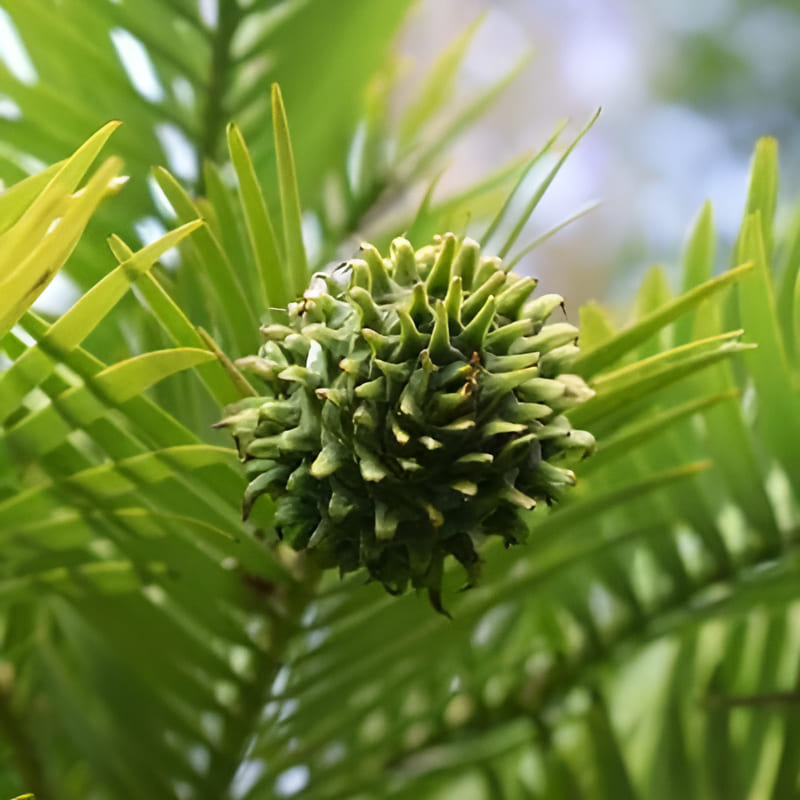
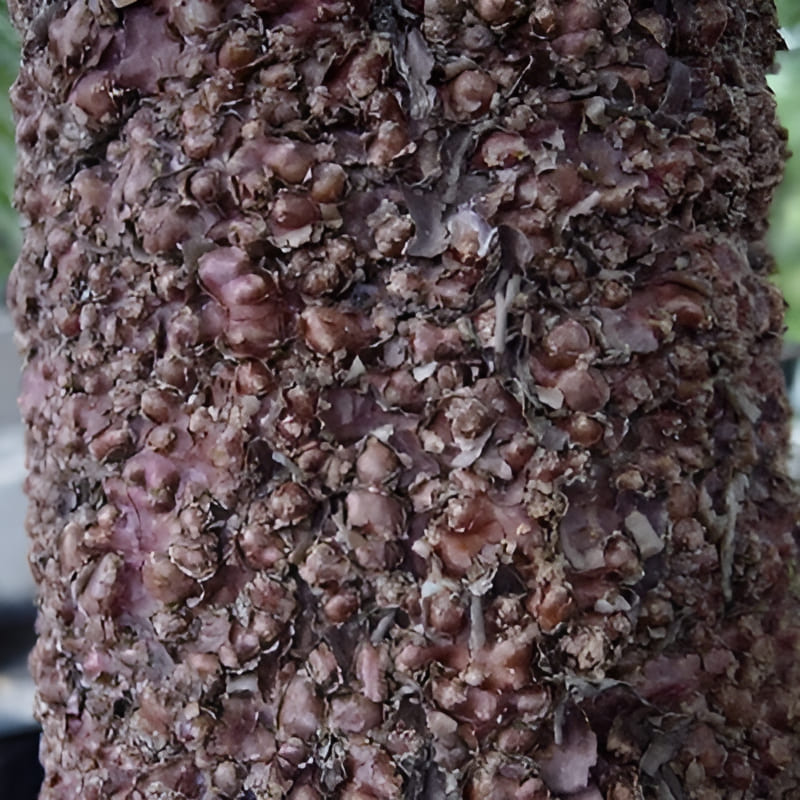
Today, the Wollemi pine is celebrated as a living fossil, retaining many primitive features seen in ancient conifers. Its distinctive “bubbled” bark, fern-like foliage, and unusual cone structures give it a truly prehistoric appearance.
The species is monoecious, producing both male and female cones on the same tree. It can also regenerate through epicormic growth and multiple stems, helping it survive harsh canyon conditions.
Because of its rarity, a global conservation effort now cultivates Wollemi pines in controlled environments. This reduces pressure on wild populations while ensuring the survival of one of the world’s most extraordinary trees.
Key insight: The Wollemi pine proves that ancient species can survive hidden in isolated ecosystems— making conservation and habitat protection critical for undiscovered or endangered plants.
In the wild, Wollemi pines grow on steep, shaded canyon walls where cool, moist air and filtered light create a stable microclimate. These sandstone gorges are difficult and dangerous to access, which is one reason the species remained hidden for so long. Botanists estimate that only a few hundred mature and juvenile trees exist in their native stands within Wollemi National Park. Because the trees often share a common, interconnected root system and continuously resprout new stems, some scientists speculate that entire groves may function as a single, ancient clonal organism.
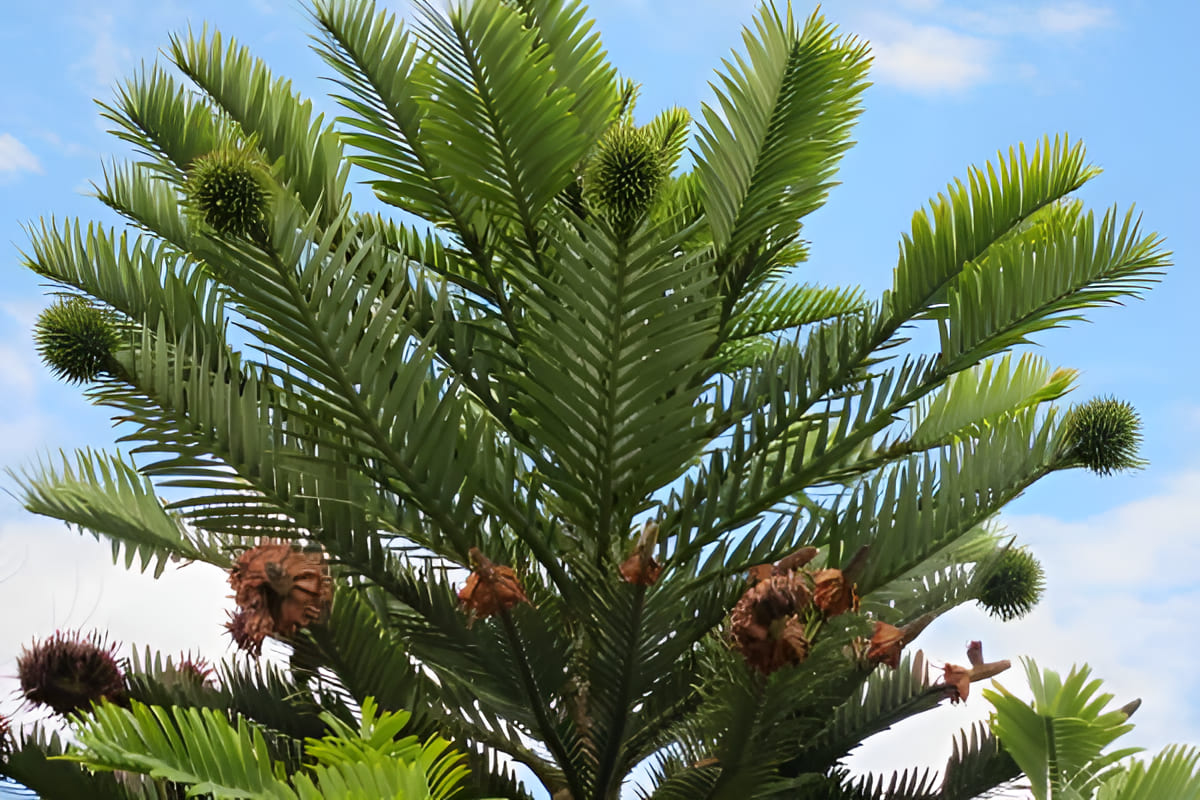
As the female cones of the Wollemi pine mature, they gradually open and release winged seeds that are dispersed by gravity and wind onto the forest floor. Male cones, which produce pollen, typically appear lower on the branches, while female cones develop higher up, a growth pattern that gives mature trees a distinctly prehistoric silhouette. This monoecious arrangement (both male and female reproductive structures on the same tree) is uncommon among conifers and increases the chances of successful reproduction within small, isolated populations.
To safeguard these remaining wild trees, the exact locations of Wollemi groves are kept strictly confidential. The canyon sites are closely monitored for threats like pathogens (including Phytophthora root rot), invasive species, and illegal collection. Fire management and biosecurity measures are crucial, as a single intense wildfire or disease outbreak could severely damage or even wipe out the entire natural population. Protecting the Wollemi is now a flagship effort for forest conservation in Australia.
Visually, Wollemi pine looks like a tree transported straight from the Jurassic. Its foliage forms flattened, fern-like sprays, while the trunk is wrapped in knobbly, chocolate-brown bark that resembles the textured skin of a prehistoric reptile. The trees frequently grow as multi-stemmed clumps, with dozens of vertical shoots emerging from a shared base. In its native canyon habitat, these clumps can form dense, almost impenetrable thickets of ancient greenery.
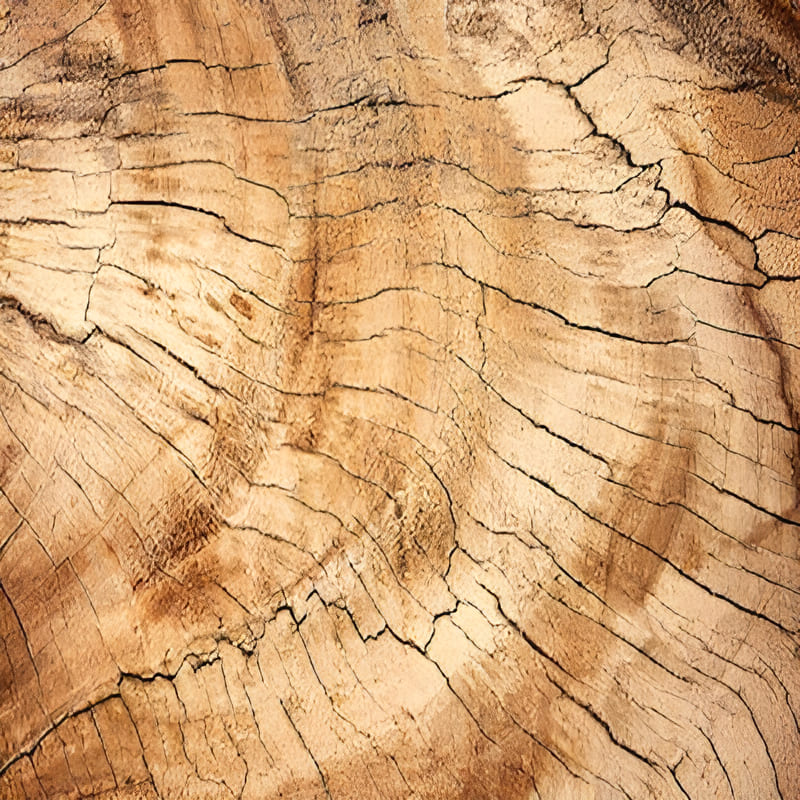
Over time, natural competition means that one stem eventually becomes dominant, towering above the others to heights of 100–150 feet in ideal conditions. Unlike many other conifer species, Wollemi branches do not repeatedly re-branch and form dense whorls. Instead, older lateral branches often terminate in cones or die back cleanly, which may result in long, relatively clear trunks suitable for timber in carefully managed plantings, though wild trees are strictly protected and never logged.
Because the Wollemi pine lineage has remained relatively unchanged for tens of millions of years, the species offers scientists a living window into ancient forest ecosystems. Its survival through multiple climate cycles—from the age of dinosaurs to modern Australia—makes it a flagship species for studying climate resilience, long-term forest evolution, and how rare “relict” trees persist in modern landscapes.
In 2008, the Australian Botanic Gardens and partners launched a global propagation and licensing program to protect Wollemi pine in the wild while allowing carefully controlled cultivation in gardens and private collections. Legally propagated Wollemi pines are now growing in public gardens as far away as Scotland, northern Europe, and northern British Columbia, proving to be far more cold-tolerant than early estimates suggested.
This program serves multiple purposes:
The success of Wollemi pine conservation has also inspired broader interest in reviving and protecting rare tree lineages. Building on this momentum, scientists are exploring how advanced propagation—such as tissue culture and somatic embryogenesis—can help preserve other threatened species and even attempt to revive lost genotypes. Inspired by the discovery of the Wollemi pine, you can learn more about this emerging field in our article on cloning extinct tree species and restoring “ghost forests” to the modern landscape.

Wollemi pine seed requires gentle handling and the right conditions to achieve good germination rates. Start by soaking the seed in room-temperature water for 24–48 hours. Seeds that sink are typically more viable and have a higher chance of germinating than seeds that float and can be discarded.
Unlike many temperate conifers, Wollemi pine does not require cold stratification (refrigeration at a consistent low temperature). After soaking, drain and gently towel-dry the seeds, then sow them immediately into a well-drained, slightly acidic conifer propagation mix. A nursery tray or plug tray designed for tree seedlings works especially well.
Maintain even moisture—never waterlogged—and provide bright, indirect light. Under suitable temperature and humidity, germination may occur in as little as six weeks, although longer germination periods are common. Young seedlings should be protected from frost, intense heat, and drying winds until they develop a robust root system and several sets of true leaves.
Most growers will not have access to wild-collected seed. Because the global population is small and genetically precious, seed collection from wild trees is tightly controlled. Instead, home gardeners and arboreta typically work with legally propagated nursery stock or licensed seed from conservation partners, helping to support both ex situ (off-site) and in situ (in-the-wild) conservation programs.
In cultivation, Wollemi pine is surprisingly adaptable. It prefers:
In colder regions, Wollemi pine can be grown in large containers and moved to a sheltered location during severe winter cold. In milder coastal climates it can be planted in the ground and used as a specimen conifer, forming a dramatic focal point in conifer collections or agroforestry demonstration plantings.
Around 200 million years ago (late Triassic to early Jurassic), most land was joined in the supercontinent Pangaea. Climates were generally warm, sea levels were higher, dinosaurs were becoming established, early mammals were emerging, and vast conifer forests dominated many regions. Ancestors of Wollemi pine and its relatives grew in these Jurassic forests, which is why the tree is now called a “dinosaur tree” and a living fossil.
Wollemi pine is easy to recognize once you know its key features:
Together, these traits give Wollemi pine a distinctly prehistoric look that sets it apart from other softwood species.
Early reports suggested Wollemi pine would be limited to mild, frost-free climates. However, trial plantings in places like Scotland and northern British Columbia show that established trees can tolerate light to moderate freezes when planted in well-drained soil and sheltered from severe wind. As a general guideline:
Because this is still a relatively new species in cultivation, growers are continuing to learn its true cold tolerance limits across different regions.
Yes—if your local climate and site conditions are suitable. Wollemi pine prefers:
In milder coastal or temperate zones it can be planted as a specimen ornamental conifer. In colder regions, many growers keep Wollemi pine in large containers that can be moved to a protected space during harsh weather.
Because wild populations are extremely small, seed collection is tightly controlled. Viable seeds and young plants are usually available only through authorized specialty nurseries and licensed conservation programs. Availability is often limited and seasonal, so many growers prefer nursery-propagated plants rather than seed.
Always verify seller credibility, avoid illegally collected material, and check your local import and biosecurity regulations before purchasing. If you manage an arboretum, campus, or tree farm, you may also be able to join a structured Wollemi grower and conservation program.
Wollemi pine can be propagated from seed, cuttings, and advanced nursery techniques such as tissue culture. For most gardeners:
Large-scale conservation and commercial programs often rely on clonal propagation and tissue culture to produce uniform, disease-free plants while preserving wild genetic diversity for future reforestation projects.
With only a few hundred wild trees known, Wollemi pine is one of the rarest trees on Earth. It is a globally recognized symbol of tree conservation and climate resilience. Protecting the species helps:
By supporting licensed nurseries, botanic gardens, and structured grower programs, you help ensure that this remarkable “dinosaur tree” remains part of our living forests rather than returning to the fossil record.
If you manage an arboretum, botanical garden, educational campus, or private tree plantation, you may qualify to participate in a coordinated Wollemi pine conservation planting. These programs typically include guidance on siting, spacing, care, and long-term monitoring so plantings act as both display trees and living genetic reserves.
To explore options, you can contact our Wollemi pine grower program and discuss how this ancient conifer might fit into your agroforestry system, conifer collection, or climate-resilient forest design.
With only a few hundred wild trees known to exist, we are actively looking for dedicated growers, arboreta, and conservation partners interested in propagating this one-of-a-kind species. Well-managed plantings in suitable climates can serve as both educational showcases and living genetic reserves for future rewilding and research. Each new planting adds another layer of security for this iconic dinosaur tree.
If you manage an arboretum, botanical garden, educational campus, or private tree plantation and would like to participate in a Wollemi pine conservation planting, we’d be pleased to explore partnership options. From site selection and spacing plans to long-term monitoring protocols, our team can help you integrate this ancient Australian conifer into your agroforestry system, living museum, or climate-resilient forest design.
Around 200 million years ago, most of the world’s land was joined as the supercontinent Pangaea. Climates were generally warm, dinosaurs were becoming established, early mammals were appearing, and huge conifer forests covered many regions. Ancestors of Wollemi pine grew in these Jurassic forests, which is why the species is often called a “dinosaur tree” and a living fossil.
Wollemi pine is distinctive once you know what to look for:
Together these features give Wollemi pine a very prehistoric look compared with other conifer species.
Early on, many growers thought Wollemi pine would tolerate only mild, frost-free sites. Trial plantings in places such as Scotland and northern British Columbia show that established trees can handle light to moderate freezes if the soil is well-drained and the site is sheltered from severe wind.
Yes—if you can provide conditions similar to its sheltered canyon habitat. Wollemi pine prefers:
In mild coastal or temperate regions it can be planted as a specimen landscape tree. In colder climates, many growers keep Wollemi pine in large tubs so it can be moved under cover during harsh weather.
Wild Wollemi groves are extremely small, so seed collection is tightly regulated. Viable seed and young plants are generally available only through licensed conservation programs and authorized specialty nurseries. Supply is often seasonal and limited, so many gardeners choose nursery-propagated plants instead of seed.
Always confirm that the seller is reputable, avoid illegally collected material, and check your local import and biosecurity rules before ordering. Public gardens and arboreta may also be able to join structured Wollemi grower and conservation networks.
In its native canyons, Wollemi pine can eventually reach 30–45 m (100–150 ft), with one stem becoming dominant over time. In gardens and arboreta it usually stays smaller, especially in cooler climates or containers, but you should still allow room for a medium- to large-sized specimen conifer over the long term.
Softwoods, the pioneer species of the temperate forest, grow quickly to leave their mark on the landscape for centuries. From fast-growing plantation species to ancient living fossils like the Wollemi pine, they anchor reforestation, timber production, and climate-smart forestry.
Partner with us in a land management project to repurpose agricultural lands into appreciating tree assets. We have partnered with growingtogive.org , a 501(c)(3) nonprofit, to create tree-planting partnerships with land donors. Together, we can establish legacy forests that store carbon, protect biodiversity, and support community well-being.
We have partnered with growingtogive.org , a Washington State nonprofit, to create a land and tree partnership program that repurposes agricultural land into appreciating tree assets.
The program utilizes privately owned land to plant trees that benefit both the landowner and the environment—generating long-term timber value, carbon storage, wildlife habitat, and landscape resilience.
If you have 100 acres or more of flat, fallow farmland and would like to plant trees, then we would like to talk to you. There are no costs to enter the program. You own the land; you own the trees we plant for free, and there are no restrictions; you can sell or transfer the land with the trees at any time.
Copyright © All rights reserved Tree Plantation