


 INVEST
 PLANT
PLANT
 SOFTWOODS
 HARDWOODS
 CALCULATORS
 RESOURCES
 PROGRAMS

Softwoods
Learn More
Use these Kentucky-focused sources to confirm invasives, map distribution, and report sightings.
Report invasives — Kentucky guidance points to EDDMapS for reporting and mapping.
Kentucky: Invasive Species Lists and Contacts — browse state lists and contacts.
Invasive Plants (UK Forestry) — Kentucky-focused species pages and resources.
Invasive Plant Threats — KY forestry context and major threats.
Field Guide to Kentucky’s Invasive Plants (PDF) — quick ID + control notes.
Kentucky native alternatives (PDF) — easy swaps for common invasive ornamentals.
These points are written for real-world property work in Kentucky—old fields, roadsides, yards, and forest edges. Following them helps you avoid the most common “accidental reinvasion” mistakes.
One-line Kentucky rule: If it resprouts, you must return. If you don’t replant, it will reinvade.
These species are widespread across Kentucky forests, stream corridors, and neighborhoods and are commonly flagged by state and university invasive-plant programs.
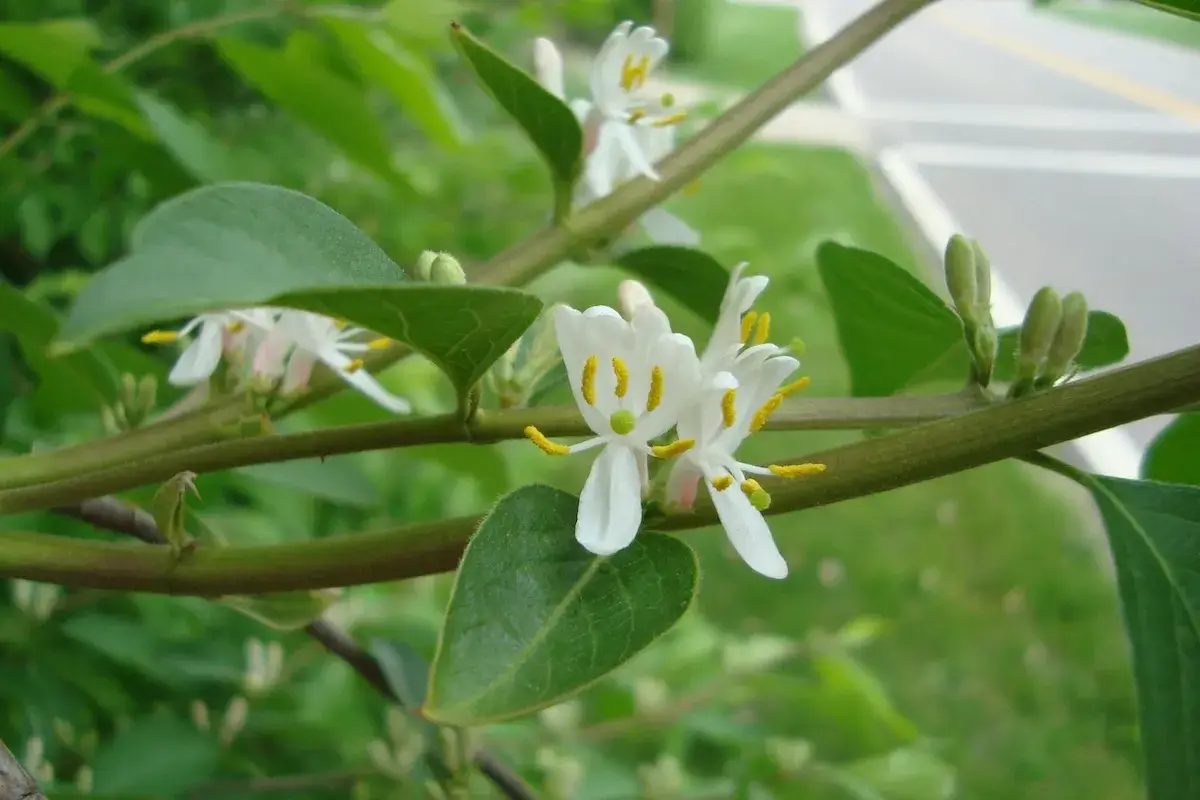
Fast ID clues: leafs out very early and holds leaves late; hollow stems; dense shade-forming thickets.
Do: remove before fruiting and monitor for resprouts. Don’t: leave roots untreated.
Replace with: spicebush, serviceberry, native viburnums.
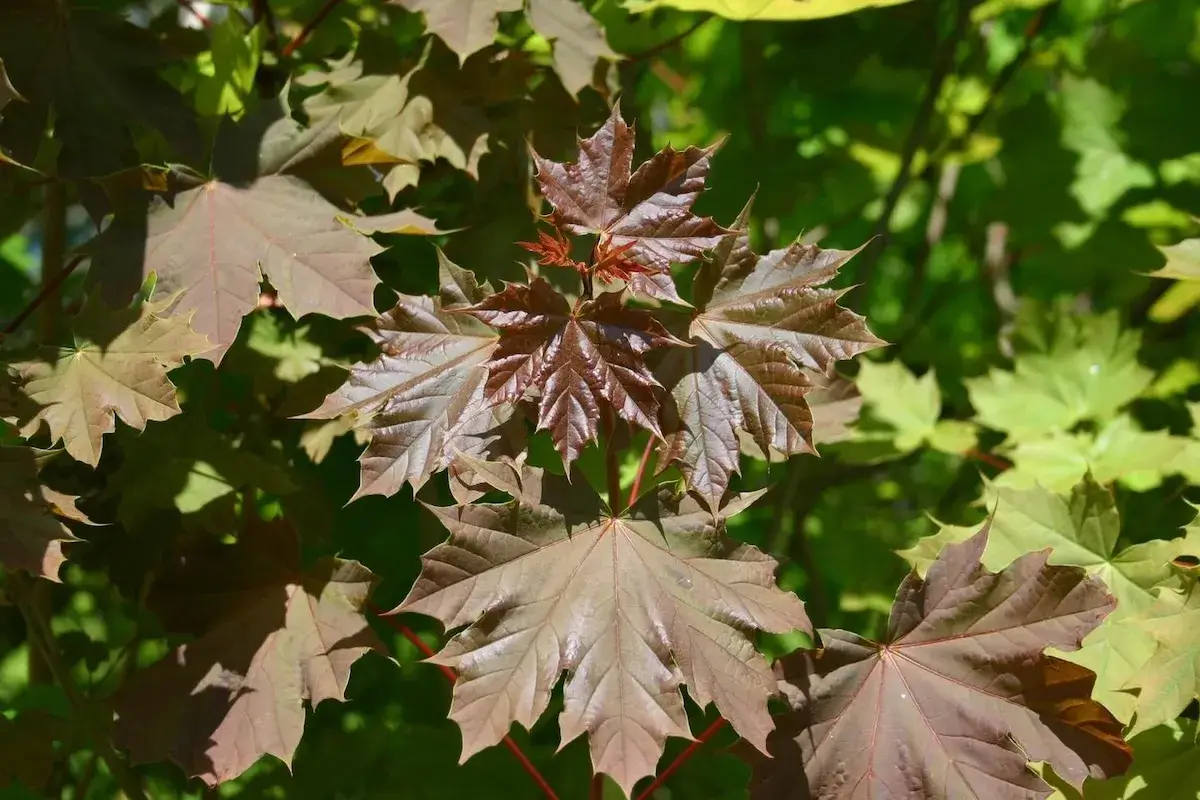
Fast ID clues: milky sap from broken leaf stems; dense shade; shallow roots.
Do: remove seedlings aggressively. Don’t: replant as a shade tree.
Replace with: sugar maple, red maple, or Kentucky-native oaks.
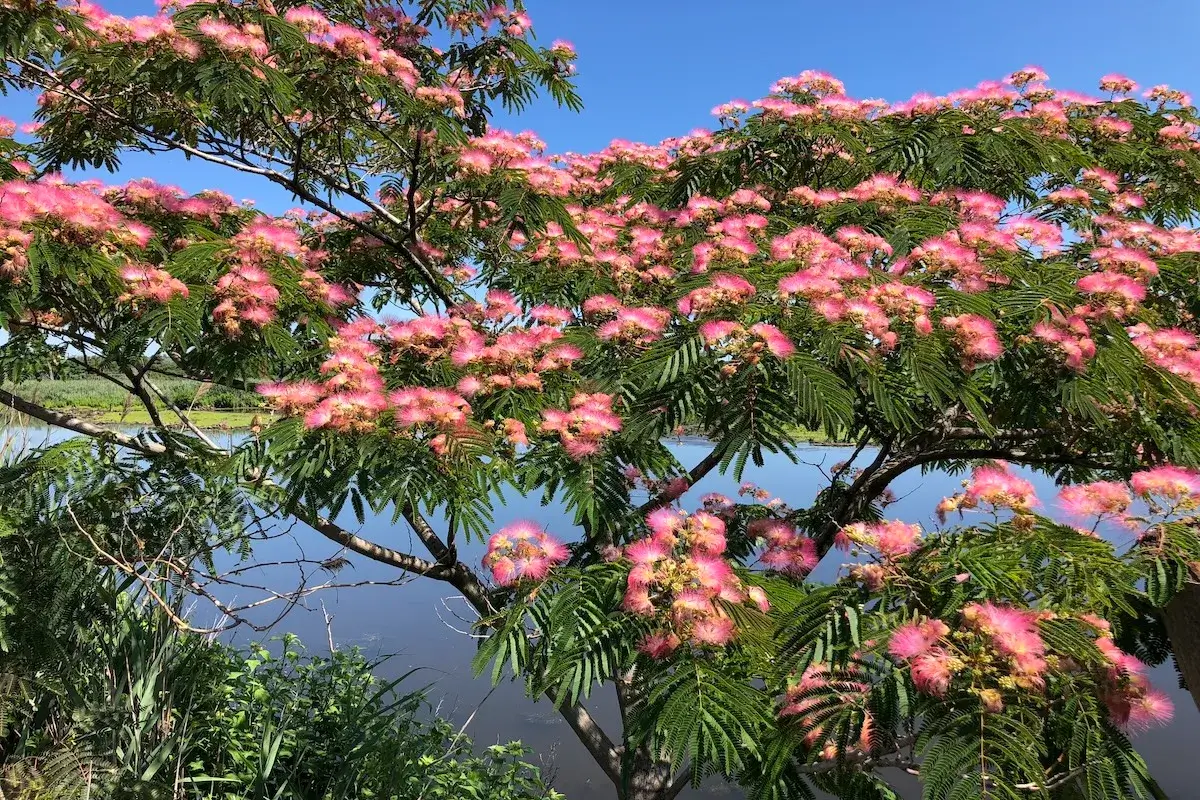
Fast ID clues: fern-like leaves; pink powder-puff flowers; seed pods persist.
Do: remove before pods mature. Don’t: compost seed material.
Replace with: eastern redbud, native flowering dogwood.
Reporting helps Kentucky partners map spread and prioritize action. Include photos and a precise pin.
Report invasives — uses EDDMapS for mapping and reporting.
Kentucky lists & contacts — confirm status and view lists.
Invasive plants hub — Kentucky-focused pages for ID and control context.
Photo checklist: leaf + twig + bark + fruit/seed + whole tree + “what it’s growing next to” (road edge, creek, field).
The most reliable long-term control is a combination of: stop seed → stop sprouts → replant.
Prioritize flowering/fruiting trees and remove seedlings around them.
Resprouting species require repeat visits—schedule them.
Plant natives to shade and compete so invasives don’t reclaim the area.
For broad background, see: Invasive Tree Species (Weed Trees).
Use Kentucky-native or Kentucky-adapted natives that match your site (moist bottomland vs upland yard edge). For fast “swap” ideas, see the Kentucky-native alternatives PDF.
Serviceberry, redbud, dogwood, native maples—choose based on your soil and sun.
Native oaks/hickories plus shrubs to create layered competition.
Choose moisture-tolerant natives and establish a shrub strip first to stabilize.
Don’t “leave it bare”: disturbed soil + full sun is an invitation for invasive seedlings.
Kentucky reporting commonly uses EDDMapS. Start with the Kentucky reporting page and the EDDMapS Kentucky lists & contacts.
Do plan follow-ups. Don’t cut a resprouting invasive and walk away.
Use Kentucky-native alternatives such as serviceberry, redbud, dogwood, and other natives listed by Kentucky resources.
Copyright © All rights reserved Tree Plantation