



 INVEST
 PLANT
PLANT
 SOFTWOODS
 HARDWOODS
 CALCULATORS
 RESOURCES
 PROGRAMS

Softwoods
Learn More
Bayou • Bottomland • Levee • Coastal Plain
Louisiana’s invasives often spread in “water-shaped” ways — down ditches, through floodplains, and along bayous. Add storm debris and disturbed soils, and invasives can jump quickly into new ground. This guide is built as a Do’s & Don’ts playbook with Louisiana-specific reporting links, plus a clean control sequence you can repeat.
Stop seed first. Then stop sprouts. Then replant. In wet sites, avoid unnecessary soil disturbance and always plan for post-storm rechecks.
If you’re unsure of the species, verify first — some natives have look-alikes.
This checklist is written for Louisiana conditions: saturated soils, flood events, ditch networks, and storm debris. Use it to avoid the two biggest mistakes: cut-only resprouting and disturb-then-leave-bare.
One-line Louisiana rule: If it fruits, remove it first. If it resprouts, you must return.
These examples are Louisiana-relevant: a coastal plain invader that dominates wetlands and prairies, a common yard escape, and a privet that forms dense understories along waterways.

Fast ID: heart-shaped leaves; fall color; white “popcorn” seeds; spreads aggressively in wet and disturbed sites.
Do: remove before seed drop; patrol edges. Don’t: move seed debris.
Replace with: bald cypress, tupelo, red maple (site-dependent), buttonbush along edges.
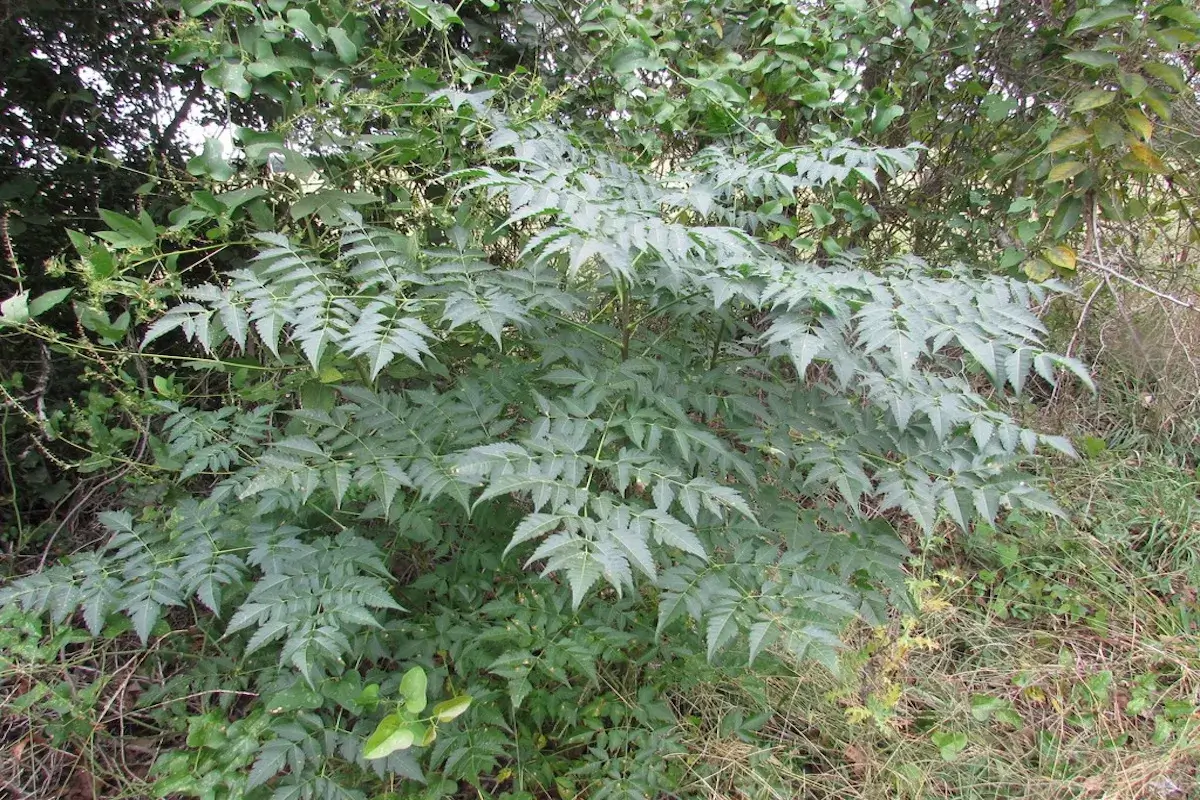
Fast ID: compound leaves; clusters of yellow berries; common in disturbed ground and old home sites.
Do: remove berry producers; bag/dispose seed material. Don’t: leave fruit on-site.
Replace with: southern magnolia, redbud, native oaks (right site), serviceberry (where adapted).
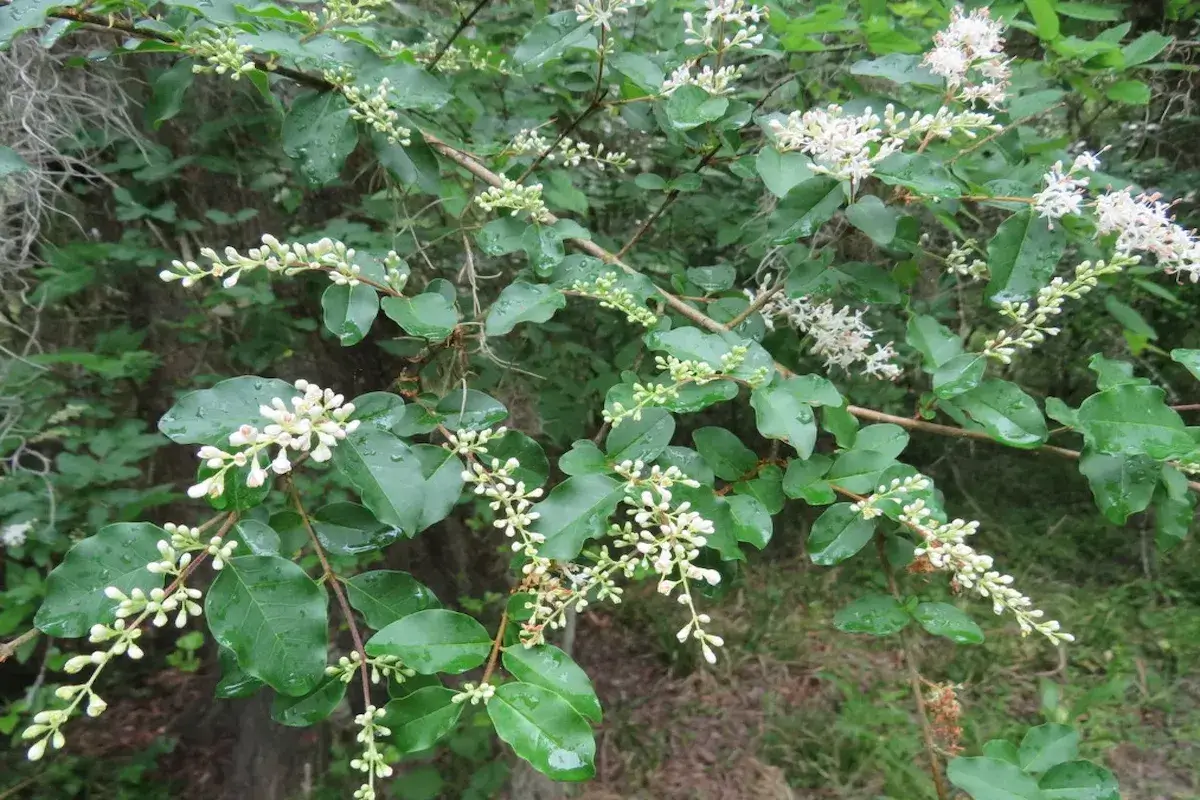
Fast ID: dense evergreen/semi-evergreen thickets; white flowers; dark berries; dominates stream corridors.
Do: remove before fruit; expect resprouts. Don’t: let it “stay as a hedge.”
Replace with: wax myrtle, yaupon holly, native viburnums, beautyberry (site-dependent).
Reporting helps map spread and supports coordinated control. Use Louisiana resources for ID, then log sightings via EDDMapS.
Louisiana: Invasive Species Lists and Contacts — browse lists, contacts, and reporting pathways.
LSU AgCenter: Invasive plants — Louisiana-focused ID and management information.
Georgia Southeast hub — connect species spread across neighboring states.
Photo checklist: leaves + bark + fruit/seed + whole tree + the setting (ditch/bayou/levee/yard).
Use this sequence for most invasive trees in Louisiana. Adjust based on species and site safety.
Remove or control fruiting trees first. Reduce “seed rain” before tackling the whole patch.
Many invasives resprout. Plan follow-ups and repeat until the stand stops responding.
Replant with natives to stabilize wet soils, shade seedlings, and reclaim the site long-term.
For broad background, see: Invasive Tree Species (Weed Trees) and Tree Removal.
The best replacement is the one that matches your moisture. Louisiana has huge differences between wet bottomland and higher, drier yards. Choose natives that can win where you plant them.
Bald cypress, tupelo, buttonbush, native willows (site-dependent), and other wetland-adapted natives.
Native oaks + a shrub layer (wax myrtle, viburnums, beautyberry) to build a competitive edge.
Choose Louisiana natives that fit your sun/soil: redbud, magnolia (where appropriate), native hollies, and others.
Don’t leave it bare: disturbed soil + full sun = invasive seedlings. Replant quickly.
Use EDDMapS for Louisiana lists and reporting, and consult LSU AgCenter resources for Louisiana-specific ID and management guidance.
Moving water and open light corridors move seed and create ideal establishment sites. Storm events can accelerate this by transporting debris and seed.
Cutting a resprouting invasive and leaving the site unmanaged. In Louisiana, you also have to recheck after storms and replant quickly to stabilize.
Copyright © All rights reserved Tree Plantation



