


 INVEST
 PLANT
PLANT
 SOFTWOODS
 HARDWOODS
 CALCULATORS
 RESOURCES
 PROGRAMS

Softwoods
Learn More
Delta • Pine Belt • Gulf Coast
Mississippi sits in a powerful “spread zone” where invasive trees move through waterways, rights-of-way, and ornamental plantings into forests, pastures, and wetlands. This page helps you identify common invasive trees, report them using Mississippi-linked tools, remove them without creating a resprout thicket, and replant with natives that hold the site.
In Mississippi, the most “productive” invasion corridors tend to be: river systems and floodplains, open pasture/field edges, and disturbed ground (grading, logging decks, utility corridors). If you can control invasives in those corridors, you usually prevent the next wave from reaching deeper woods and wetlands.
If the tree is on a creek edge or field margin and it’s seeding heavily, treat it as priority—those are the launchpads.
Start here to confirm whether a species is listed/mapped for Mississippi and where to get Mississippi-based guidance.
Mississippi: Invasive Species Lists & Contacts — browse lists and use EDDMapS tools for reporting.
Mississippi Exotic Pest Plant Council — state-focused rankings and “worst” species.
Invasive Plants (Forest Health) — threats + control context used in MS forestry work.
Herbicidal control of invasive trees/shrubs/vines — practical methods and timing.
Mississippi EDDMapS One List — consolidated list view.
Mississippi Noxious Weeds (Bureau of Plant Industry) — official list reference via EDDMapS.
Practical rule: If you can’t confidently ID it, report it with photos first. Verification saves time and prevents accidental removal of native look-alikes.
These are three “Mississippi-relevant” invaders that commonly show up in forest edges, pastures, floodplains, and suburban escape zones. Use the flow: identify → remove correctly → replant.
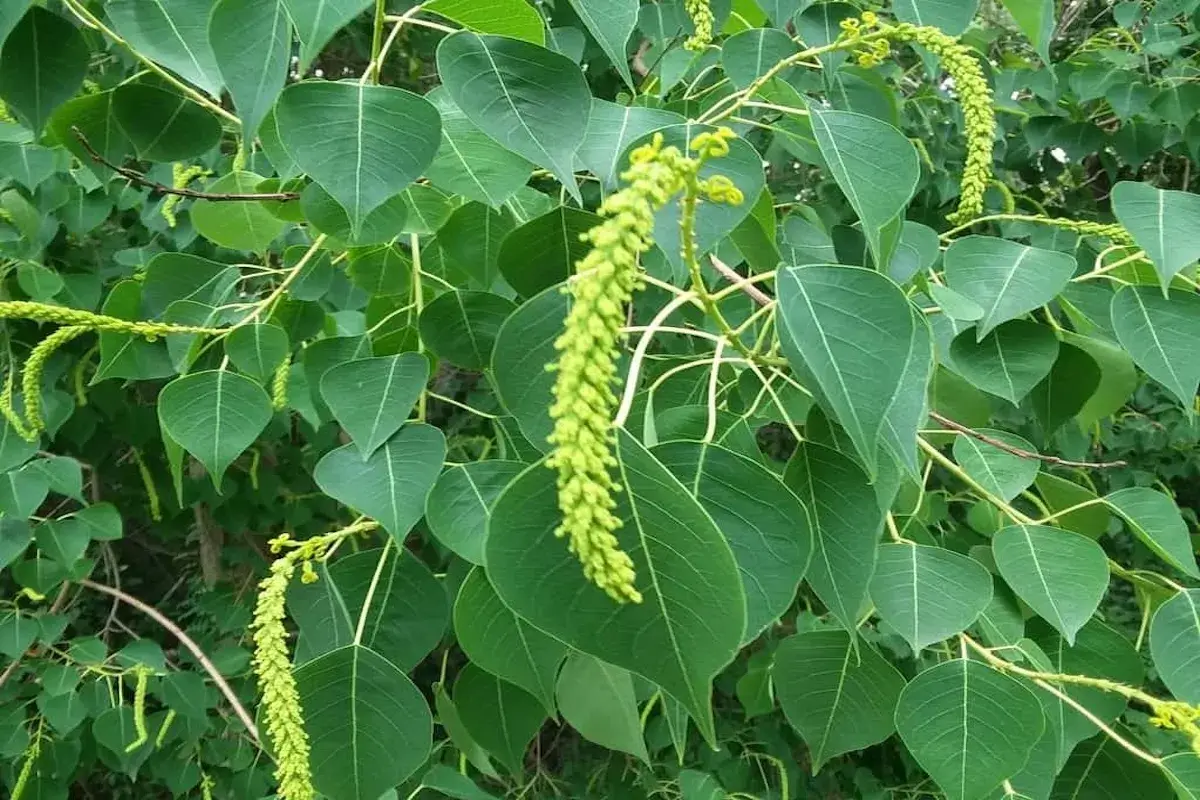
What to do once identified: check for seedlings under the canopy and along ditches/field edges—tallow can establish dense patches and expand quickly.
How to remove properly: avoid “cut-only.” Plan to prevent resprouting and treat follow-up seedlings—especially in pasture edges and moist low spots.
Replant in its place: for moist sites use natives like river birch or sweetbay magnolia; for uplands/pasture edges use native oaks and a shrub layer for competition.
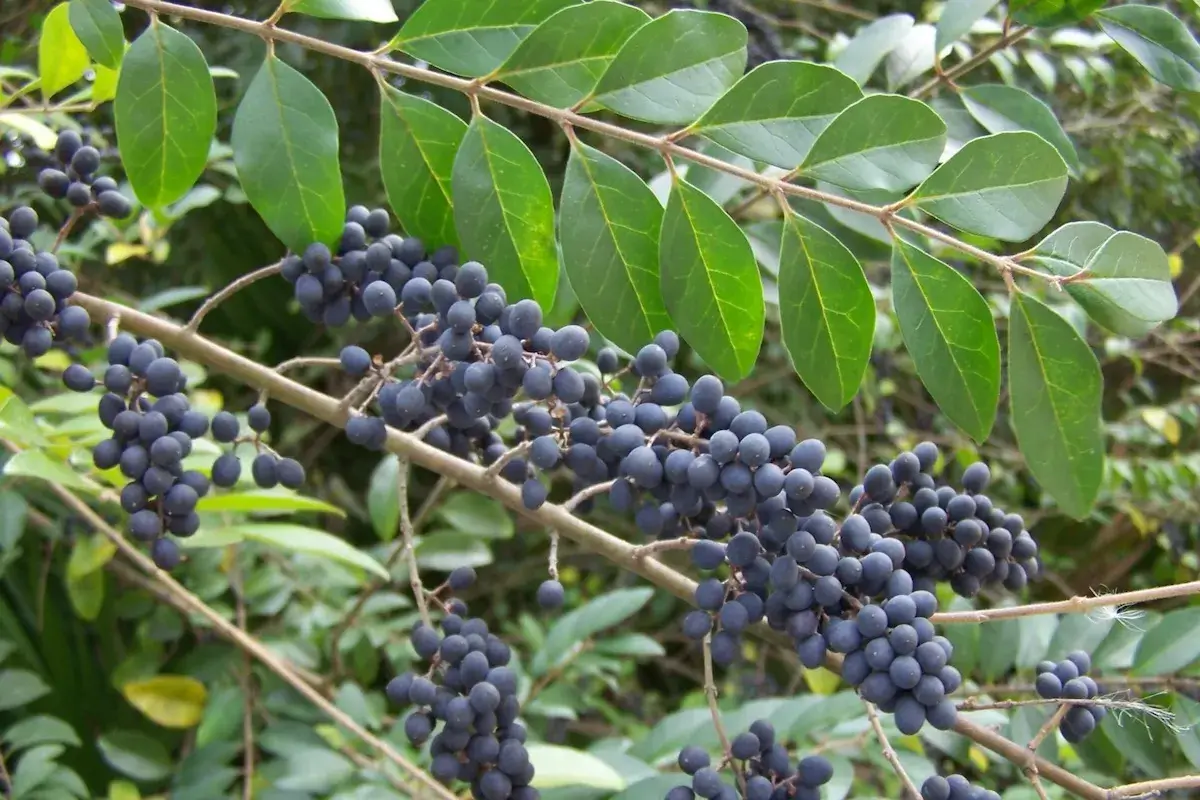
What to do once identified: map the patch—privet often forms long “ribbons” along creeks and shaded edges that keep native regeneration from returning.
How to remove properly: pull small plants when soil is moist; larger stems need cut + follow-up for sprouts and seedlings from the seedbank.
Replant in its place: rebuild understory with natives (beautyberry, spicebush where suitable, native viburnums) and add canopy seedlings (oaks/hickories) for long-term shade.
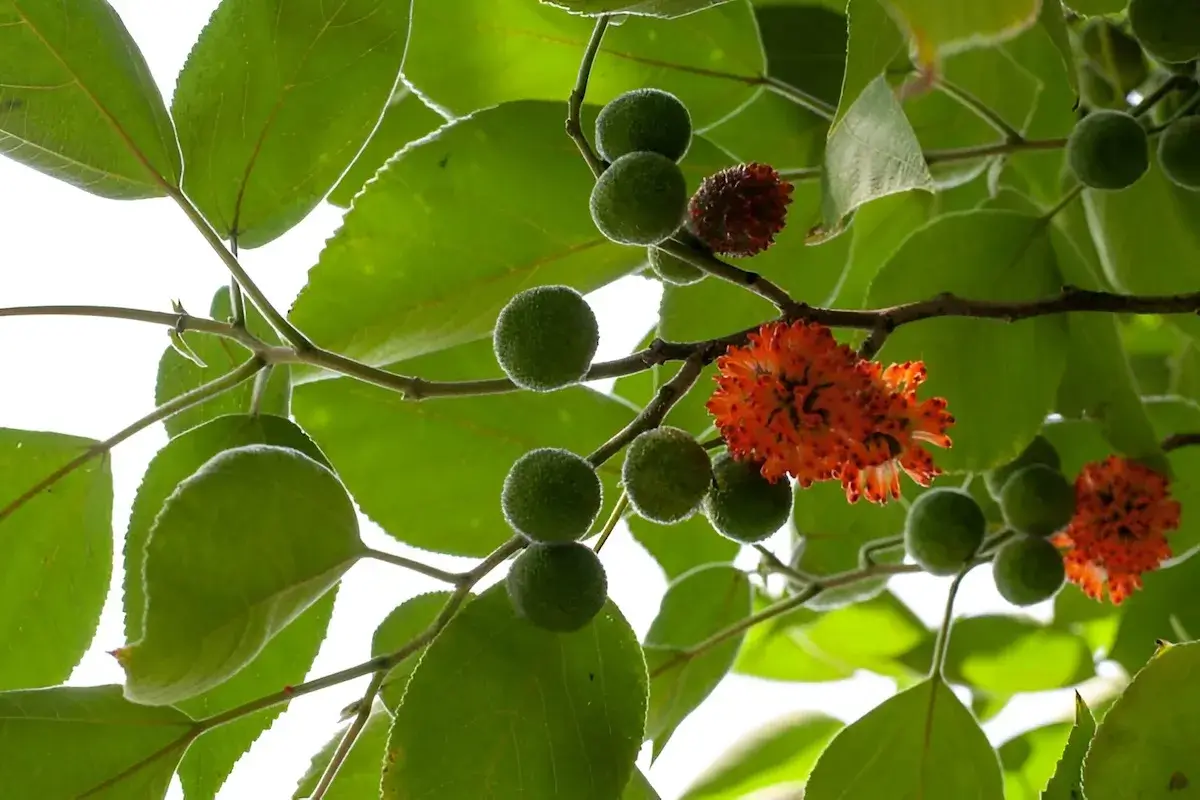
What to do once identified: look for disturbed urban edges, old home sites, and lots—paper mulberry can spread into unmanaged spaces and persist.
How to remove properly: remove seedlings early; for established plants, plan repeat follow-ups because sprouts can appear after disturbance.
Replant in its place: use native “edge” trees and shrubs to shade the site quickly—serviceberry, redbud (site-dependent), and native shrubs suited to your sunlight/moisture.
Best Mississippi strategy: treat “source zones” first (edges, corridors, and seed-producing trees). That’s how you stop reinvasion instead of doing the same removal every year.
Mississippi lists vary by organization and can change. Use this shortlist as a starting point, then confirm using MS-EPPC, the Mississippi Forestry Commission, and EDDMapS.
Often dominate floodplains, edges, and disturbed corridors; prioritize seed sources and patch fronts.
Problem trees often begin as “nice yard trees,” then jump fences into fields and woods.
Creek edges can reinvade quickly; successful control = removal + rapid native replanting.
| Hotspot | Why it matters | First move |
|---|---|---|
| Creeks & bottomlands | Seeds move; banks disturbed; invasives establish easily. | Prioritize seed sources and patch fronts; replant with native shrubs fast. |
| Pasture edges | Sun + disturbance = rapid establishment and seedling carpets. | Remove early; manage shade/competition with natives where possible. |
| Right-of-way corridors | Constant disturbance; open sun; rapid spread along miles. | Report larger populations and avoid spreading debris off-site. |
Reporting helps map spread and prioritize response. Include photos and an accurate location pin.
EDDMapS — report sightings to a network of expert verifiers.
EDDMapS Mississippi lists & contacts — browse and confirm.
MFC invasive plants — context, impacts, and control approaches.
Good report = photos + “where it’s growing” (creek edge, pasture, pine stand edge) + whether it’s seeding. That’s the info land managers can act on immediately.
In Mississippi, invasives often return after disturbance. The winning strategy is: stop seed → stop sprouts → occupy the site with natives.
Seed-producing trees create a “rain” of seedlings. Remove or neutralize them early.
Many invasive trees resprout. Schedule revisits until the patch stops responding.
Replant with natives matched to moisture and light to reduce reinvasion pressure.
| Plant size | Best first move | Follow-up |
|---|---|---|
| Seedlings | Pull when soil is moist; bag seed-bearing material. | Recheck after rain events for new flushes; mulch or replant. |
| Thickets / saplings | Work in patches; avoid spreading fruits/seeds; stage removal if needed. | Return for sprouts/seedlings until the patch collapses. |
| Large trees | Consider professionals near structures/water; plan disposal and access. | Monitor stump zone and nearby soil; replant for shade and stability. |
For broader national guidance, see: Invasive Tree Species (Weed Trees).
Replanting is how you “lock in” your removal work. Choose plants based on your site: bottomland/wet vs upland/pine belt vs yard/edge. Use local nursery guidance and native plant recommendations when possible.
River birch, sweetbay magnolia (south), native willows (managed), and native shrubs for bank stability.
Native oaks, hickories, and native understory shrubs to create shade + competition.
Use native flowering options (redbud, serviceberry—site-dependent) instead of high-escape ornamentals.
Replanting tip: If you remove a patch along a creek, plant a “shrub-first” strip. Shrubs stabilize and shade quickly; canopy trees win long-term.
Start with EDDMapS Mississippi lists & contacts and report through EDDMapS. For Mississippi-focused priority guidance, see MS-EPPC and the Mississippi Forestry Commission invasive plants.
Some invasive trees respond to cutting by resprouting vigorously and creating multi-stem thickets. Plan a method that stops sprouts and schedule follow-ups until the patch stops responding.
Combine removal with replanting. Establishing native shade and competition is often the most durable long-term “control.”
Copyright © All rights reserved Tree Plantation