



 INVEST
 PLANT
PLANT
 SOFTWOODS
 HARDWOODS
 CALCULATORS
 RESOURCES
 PROGRAMS

Softwoods
Learn More
Identify • Report • Remove • Replant
Tennessee is a crossroads state: rivers, rail/highway corridors, and widespread ornamental plantings create fast spread pathways. This page is designed to be stand-alone (usable by itself) and also to connect into the Georgia Southeast invasive trees hub.
These links are Tennessee-specific and are the fastest path to: (1) confirm the ID, (2) report it, and (3) see what’s already mapped.
TN-IPC reporting instructions — TN-IPC recommends using EDDMapS to record sightings in Tennessee.
EDDMapS Tennessee lists & contacts — see recognized lists and references.
Tennessee Noxious Weeds (TDA) — list used for regulation and enforcement.
Invasive Trees That Grow in Georgia — hub page for the Southeast linking cluster.
South Carolina invasive trees — coastal plain overlap + corridor dynamics.
North Carolina invasive trees — Blue Ridge / piedmont gradients and shared pathways.
If you’re unsure what you’re looking at, timing helps. In Tennessee, many invasive trees are easiest to confirm when they flower, fruit, or drop distinctive seed. Use this as a quick guide before you report or remove.
Look for early blooms and leaf-out differences. Some ornamentals “pop” before natives and seed quickly.
Best time to photograph full leaf structure, bark, and canopy shape. Watch for thickets along edges.
Many invasives show standout color or drop heavy seed. This is also prime season for mapping populations.
Focus on bark, buds, persistent fruits, and “structure.” Winter is a great time for removal planning.
These three examples are documented invasive trees in Tennessee resources and show three common pathways: wetland edge, ornamental escape, and urban-to-woods spread.
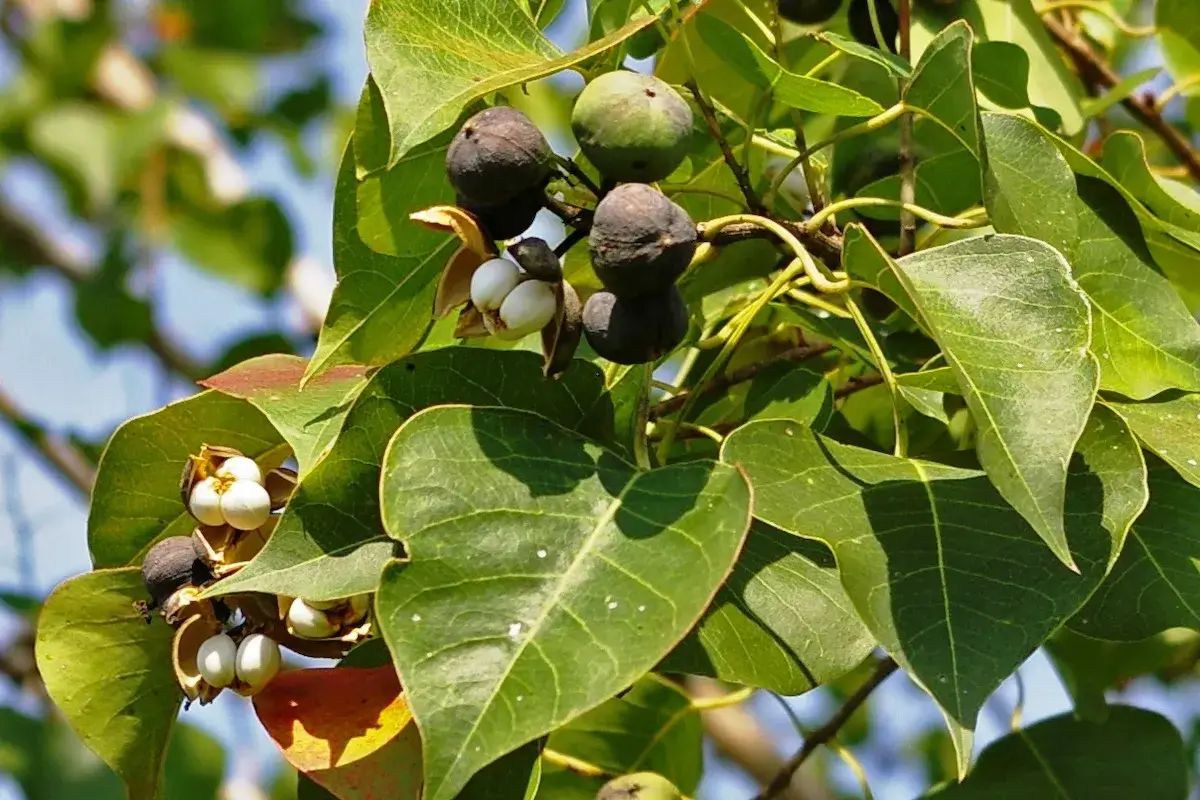
What to do once identified: treat it as a spread risk near wetlands and disturbed edges—seedlings can pop up beyond the parent.
How to remove properly: don’t rely on cutting alone. Plan for resprouts/seedlings and revisit. Use TN-IPC guidance for management approaches.
Replant in its place: wet-site natives that stabilize and shade (river birch, swamp chestnut oak in suitable sites, native shrubs that rebuild the edge).
TN reference: TN-IPC species page. https://www.tnipc.org/invasive-plants/plant-details/?id=47
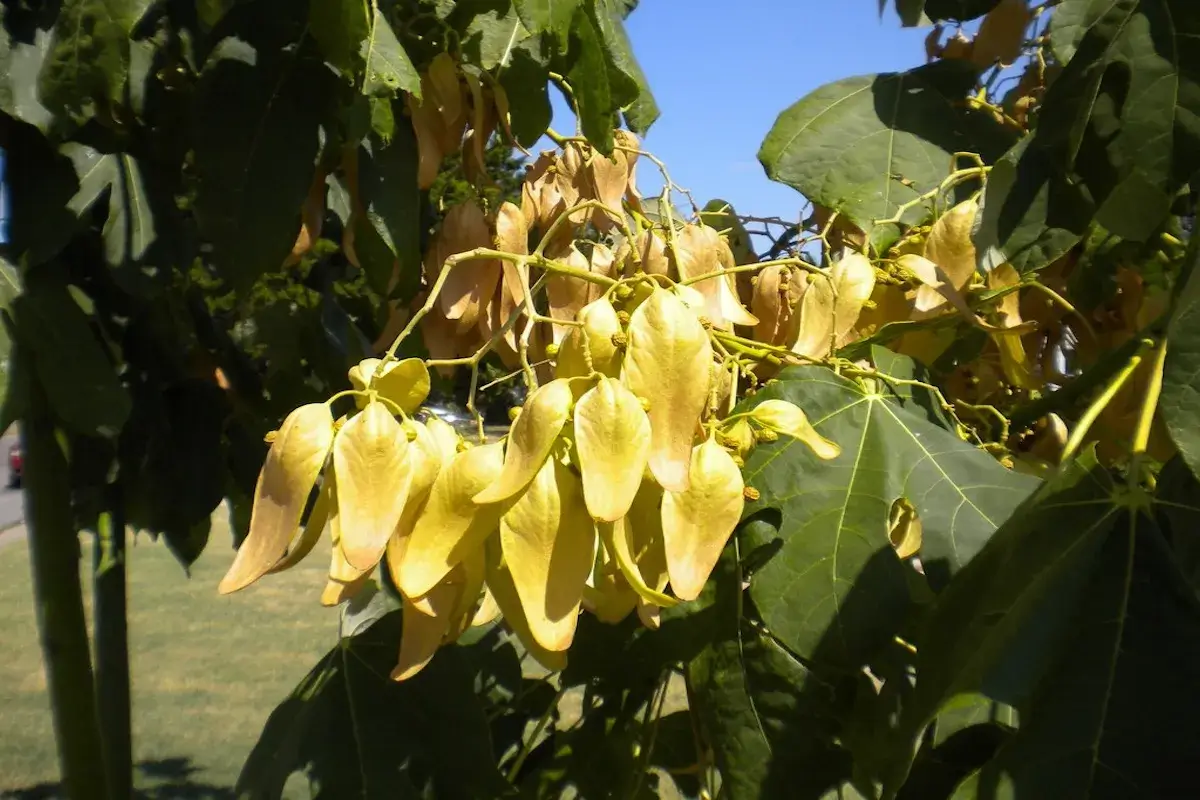
What to do once identified: check around older plantings—seedlings often establish in disturbed ground and edges where sun hits.
How to remove properly: remove young plants early. For larger trees, prevent reseeding and watch for new seedlings nearby.
Replant in its place: replace ornamental value with native shade and structure (redbud/serviceberry for small trees; oaks for long-term canopy).
TN reference: TN-IPC species page. https://www.tnipc.org/invasive-plants/plant-details/?id=72
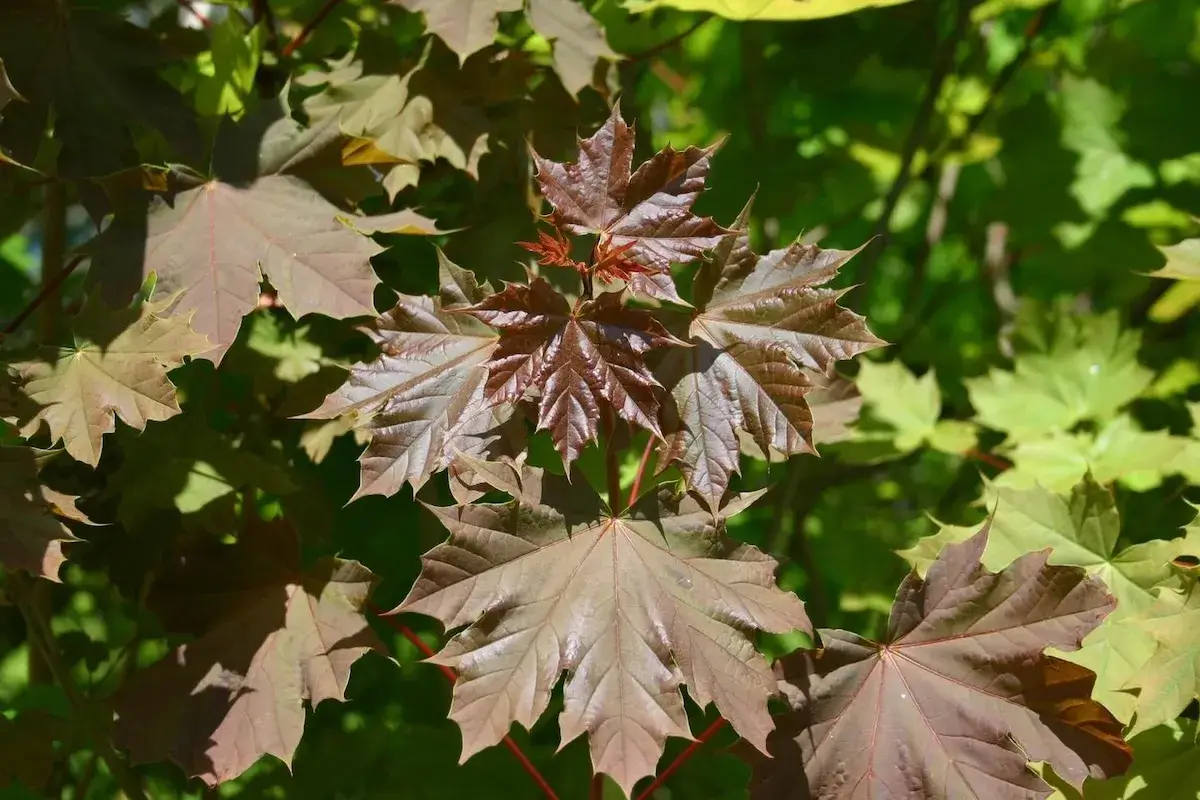
What to do once identified: look for seedlings under the canopy—Norway maple can tolerate shade and suppress native understory.
How to remove properly: phase removals if it’s a landscape tree; pull seedlings first, then replace canopy with native alternatives over time.
Replant in its place: native maples (where appropriate), oaks, tuliptree, or other region-appropriate natives based on your site.
General invasive reference: USDA FEIS + Invasive Plant Atlas. https://www.fs.usda.gov/database/feis/plants/tree/acepla/all.html
Tennessee reports are most useful when they include photos + exact location and a short habitat note. TN-IPC recommends using EDDMapS for reporting invasive plants in Tennessee.
Use EDDMapS to record sightings (TN-IPC step-by-step).
Tennessee lists and contacts — recognized lists and references.
Step-by-step reporting instructions — photos, coordinates, verification.
Think like a land manager: stop seed, stop resprouts, then reclaim the site with natives.
Remove or contain seed/fruit-bearing material. Don’t dump debris where it can root or reseed.
Many invasive trees resprout from stumps/roots. Plan a follow-up schedule during the growing season.
Open sun invites reinvasion. Establish native shrubs + canopy seedlings to reclaim light and soil.
| Size / situation | Best first move | Follow-up |
|---|---|---|
| Seedlings | Pull when soil is moist; remove root system. | Recheck after rain for new flushes; mulch or replant quickly. |
| Saplings / patches | Work in patches; keep the “front edge” from expanding. | Return 2–3 times in-season to treat resprouts and seedlings. |
| Large trees | Use safe removal methods—consider pros near structures/lines/water. | Monitor stump zone and surrounding soil; replant with natives. |
For a broader strategy and definitions, see: Invasive Tree Species (Weed Trees).
Choose replacements based on your eco-region and site conditions. Mix shrubs (fast cover) with canopy trees (long-term shade) to reduce reinvasion pressure.
Eastern redbud, serviceberry, dogwood (site-dependent), native plum—great Bradford-pear-style replacements.
Native oaks and hickories (site-dependent), tuliptree—durable long-term forest structure.
River birch and native shrub mixes that stabilize banks and rebuild edge habitat.
TN-IPC recommends using EDDMapS to record sightings of TN-IPC listed invasive plants in Tennessee. Include photos and precise location.
Cutting without follow-up. Many invasive trees resprout or leave a seedbank that germinates after disturbance.
Choose site-appropriate natives. A mix of fast understory shrubs and long-lived canopy trees is usually the most stable approach.
Copyright © All rights reserved Tree Plantation



