


 INVEST
 PLANT
PLANT
 SOFTWOODS
 HARDWOODS
 CALCULATORS
 RESOURCES
 PROGRAMS

Softwoods
Learn More
TREE BRANCH CRAFTS • DIY DECOR • INDOOR & OUTDOOR IDEAS
Wondering what you can make with tree branches? Tree branch crafts are a creative way to turn natural materials into home décor, garden features, tools, displays, and rustic art. Branches can be used indoors for wall hangings, chandeliers, curtain rods, and terrariums, or outdoors for trellises, benches, plant supports, and decorative garden structures.
🌿 Quick answer: Tree branches can be turned into wall art, centerpieces, chandeliers, wreaths, trellises, rustic furniture, plant supports, and handmade tools, making them one of the most versatile natural craft materials.
Examples: Popular branch craft ideas include whimsical hanging terrariums, branch canvas art, rustic curtain rods, trellises for climbing plants, wreath bases, and decorative centerpieces.
Because every branch has its own shape, color, and texture, branch crafts bring a sense of natural character, resourcefulness, and one-of-a-kind design to both indoor and outdoor spaces.
Many of the best branch craft projects start with naturally shed limbs, turning storm-fallen or pruned branches into useful art, décor, and garden features.
Tree branches offer a wealth of creative opportunities for both indoor and outdoor use. Indoor uses include transforming them into rustic wall art, chandeliers, or even unique curtain rods. One example is to create a visually striking centerpiece by affixing branches to a canvas and painting it with bold colors.
Outdoor uses are just as versatile, with options ranging from functional garden tools to decorative installations. Branches can be fashioned into trellises for climbing plants or used to create a charming garden bench, bringing a touch of natural elegance to the landscape.
TOOLS • MATERIALS • BRANCH PREP
Wondering how to prepare tree branches for crafts? Before starting a branch project, you’ll want to gather the right materials, tools, cleaning supplies, and finishing products so the branches are safe to handle, easier to work with, and better suited to indoor or outdoor use.
🛠️ Quick answer: Most tree branch crafts require clean branches, sandpaper, hand tools, adhesives, and optional sealants or finishes, along with a simple prep process that includes cleaning, drying, sanding, and planning the design.
Examples: Common supplies include soap and water, brushes, sandpaper, glue, pliers, wire cutters, drills, screws, paint, twine, ribbon, and decorative accents.
Proper preparation helps prevent splinters, pest issues, loose bark, and weak joints, while also improving the final look of the project and making it easier to paint, glue, or assemble.
Branches that are cleaned, dried thoroughly, and lightly sanded are safer to handle, easier to finish, and far less likely to cause problems later in the craft process.
Before bringing your tree branch craft ideas to life, gather branches of the right thickness and shape for the project, along with cleaning supplies, sandpaper, adhesives, and basic craft tools.
A good prep routine includes collecting strong branches, cleaning them, letting them dry completely, sanding rough spots, optionally sealing them, and planning the assembly before you start.
WILLOW • BIRCH • MAPLE • OAK & MORE
Wondering which tree branches are best for crafts? The best branches depend on whether you want flexibility, strength, smooth bark, decorative color, or carving potential. Some species are ideal for bending and weaving, while others work better for sturdy furniture, sculpture, or decorative displays.
🌳 Quick answer: Popular branches for crafts include willow, birch, maple, oak, dogwood, manzanita, and grapevine, each offering a different mix of flexibility, durability, bark texture, and visual appeal.
Examples: Willow is excellent for wreaths and weaving, birch for decorative centerpieces, maple and oak for stronger builds, dogwood for carving, manzanita for sculptural displays, and grapevine for garlands and wreath forms.
Choosing the right species can make a major difference in how easily the branch bends, how long it lasts, and how the final project looks in a room or garden setting.
A flexible branch like willow can be woven into curves and circles, while a dense branch like oak is better suited to stronger, longer-lasting craft structures.
The best types of tree branches for crafts often depend on the project and the desired aesthetic. Some species are especially popular because of their durability, flexibility, bark texture, or workability.

When selecting branches for your crafts, it's essential to choose healthy, dry branches free from pests or diseases. It's also a good idea to consider the sustainability of your chosen species and source your materials responsibly.
Lamps: You can use thin and straight branches to create unique and rustic lamps. Simply attach the branches to a base, add a light fixture, and voila!
Wall art: You can arrange branches in interesting patterns and attach them to a canvas or frame to create beautiful and natural wall art.
Wall art: You can arrange branches in interesting patterns and attach them to a canvas or frame to create beautiful and natural wall art.
Coat rack: Branches can be used to create a beautiful and functional coat rack by attaching them to a wooden board and adding hooks or knobs to hang coats and hats.
Candle holders: Cut branches into small pieces and hollow out the centers to create natural and rustic candle holders.
Christmas ornaments: Cut branches into small pieces and decorate them with paint, glitter, and other embellishments to create unique and beautiful Christmas ornaments.
Furniture: You can use thick and sturdy branches to create a variety of furniture, such as chairs, benches, and tables.
Coat hangers: You can use small branches to create natural and rustic coat hangers. Simply attach them to a wooden board and add hooks for hanging coats and hats.
Plant stands: You can use thick and sturdy branches to create unique and rustic plant stands. Simply attach the branches to a wooden base and use it to hold potted plants.
Bookends: You can use thick and sturdy branches to create natural and rustic bookends. Simply cut the branches to the desired length and attach them to a wooden base.
Picture frames: You can use thin and straight branches to create natural and rustic picture frames. Simply cut the branches to the desired length and arrange them in a square or rectangular shape.
Wine racks: You can use thick and sturdy branches to create a unique and rustic wine rack. Simply arrange the branches in a zig-zag pattern and attach them to a wooden base.
Mobiles: You can use thin and lightweight branches to create beautiful and natural mobiles. Simply attach the branches to each other with string or wire and add some decorative elements like feathers or beads.
Shelving: You can use thick and sturdy branches to create unique and rustic shelving. Simply attach the branches to a wooden board or metal brackets and use them to hold books, plants, or other decorative items.
Centerpieces: You can use small branches, flowers, and other natural elements to create beautiful and rustic centerpieces for your table or other surfaces.
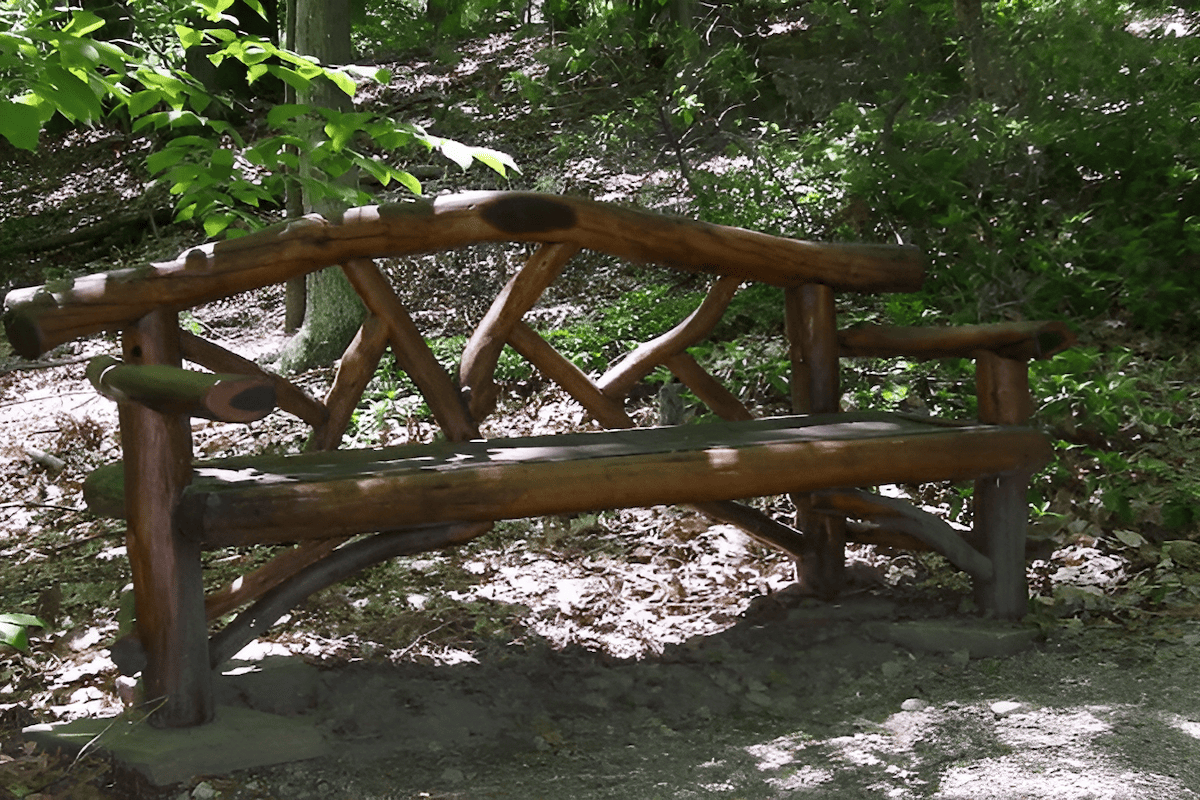
Curtain rods: You can use long and straight branches to create natural and rustic curtain rods. Simply cut the branches to the desired length and attach them to brackets on the wall.
Mirrors: You can use thin and straight branches to create natural and rustic frames for mirrors. Simply arrange the branches in a square or rectangular shape and attach them to the mirror with glue or wire.
Garden trellises: You can use long and sturdy branches to create natural and rustic garden trellises. Simply arrange the branches in a crisscross pattern and use them to support climbing plants like beans or peas.
Chairs And Benches: You can use thin and flexible branches to create unique and natural dreamcatchers. Simply weave the branches into a circular shape and add some decorative elements like feathers or beads.
Wreaths: You can use small branches, flowers, and other natural elements to create beautiful and rustic wreaths for your door or other surfaces.
Birdhouses: You can use small branches to create natural and rustic birdhouses. Simply attach the branches to a wooden frame and add a small opening for the birds to enter.

Garden edging: You can use small branches to create natural and rustic garden edging. Simply arrange the branches in a straight line or curve and bury them slightly in the ground.
Whisk broom: As mentioned earlier, one of the most common tools made from tree branches is a whisk broom. Simply gather small branches and tie them together with twine or wire to create a natural and effective cleaning tool.
Walking stick: You can use a straight and sturdy branch as a natural walking stick. Simply remove any smaller branches or twigs and sand the surface for a smooth finish.
Mallet: You can use a thick and sturdy branch to create a wooden mallet. Simply cut the branch to the desired length and shape the end into a flat surface for striking.
Bow saw: You can use a long and straight branch to create the frame of a bow saw. Simply attach a blade to the frame with screws or wire and use the branch as the handle.
Garden rake: You can use a long and sturdy branch as the handle of a garden rake. Simply attach smaller branches or tines to the end of the handle with screws or wire.
Fork: You can use a small and curved branch to create a natural and rustic fork. Simply carve out the tines of the fork and shape the handle for a comfortable grip.

Chisel: You can use a long and thin branch to create a simple chisel. Simply sharpen one end of the branch with a knife or whittling tool.
Spoon: You can use a small and curved branch to create a natural and rustic spoon. Simply carve out the bowl of the spoon and shape the handle for a comfortable grip.
Wigwams and longhouses: Many Native American tribes used tree branches to build their homes. They would gather long, straight branches and bend them into a dome or tepee shape, then cover them with bark, animal hides, or woven mats to create a sturdy and weather-resistant shelter.
Bows and arrows: Native American hunters used tree branches to create bows and arrows for hunting and self-defense. They would carefully select branches with the right shape and flexibility, then carve and shape them into functional weapons.
Dream catchers: Dream catchers are a traditional Native American craft made from a circular frame of twigs or branches, with a web of sinew or string woven inside. The dream catcher is said to filter out bad dreams and allow good dreams to pass through.

Drumsticks: Native American drummers used tree branches as drumsticks. They would select branches that were strong and flexible, then shape them into the right size and shape for playing the drum.
Sweat lodges: Many Native American tribes used sweat lodges as part of their spiritual practices. These lodges were typically constructed from tree branches, with a covering of animal hides or blankets to create a small, enclosed space for ritual purification and prayer.
Masks and sculptures: Native American artists used tree branches to create masks and sculptures for use in religious ceremonies and for decorative purposes. They would carefully select branches with interesting shapes and textures, then carve and shape them into intricate and beautiful objects.
Copyright © All rights reserved Tree Plantation