


 INVEST
 PLANT
PLANT
 SOFTWOODS
 HARDWOODS
 CALCULATORS
 RESOURCES
 PROGRAMS

Softwoods
Learn More
JAPAN • CULTURE • ORNAMENTAL TREES
What trees grow in Japan? Japan is home to a wide variety of ornamental, forest, and cultural tree species, including cherry blossoms (sakura), Japanese maples, pines, bamboo, and bonsai forms, all valued for their beauty, symbolism, and seasonal change.
🌸 Quick answer: The most iconic Japanese trees include cherry blossom trees, Japanese maples, pines, and carefully cultivated bonsai—each playing a role in garden design, cultural tradition, and seasonal landscapes.
Japan, a land of remarkable natural beauty, showcases an extraordinary range of trees that shape its landscapes and cultural identity. In spring, cherry blossoms transform entire regions into soft pink canopies, while the refined artistry of bonsai captures the imagination of visitors and gardeners around the world.
These trees are more than ornamental—they represent balance, impermanence, and harmony with nature. From temple gardens to mountain forests, Japanese tree species reflect centuries of careful cultivation, observation, and respect for natural form.
To explore specific species in more detail, see our full guide to Japanese trees or browse individual favorites like Japanese maple trees .
The Enkianthus, often called the Japanese lantern tree, is one of Japan’s most visually striking ornamental plants. In autumn, its foliage turns a brilliant red, adding dramatic contrast to gardens and wooded landscapes.
This deciduous shrub, part of the heath family, is known for its delicate, lantern-shaped flowers that hang in clusters. These blooms resemble traditional Japanese lanterns—giving the tree its name and adding a unique architectural element to garden design.
Widely used in Japanese gardens, Enkianthus symbolizes good fortune and seasonal transition. Its layered branching structure and vibrant fall color make it a standout choice for both private gardens and public landscapes.
Choose your climate zone, sun exposure, container vs in-ground planting, and color preferences. This tool suggests the best Japanese maple style for your site and provides practical care tips to reduce leaf scorch and improve long-term performance.
Tip: If you’re designing a full Japanese-style landscape, explore the complete Japanese Trees guide.
As we explore more of Japan’s remarkable trees, the Full Moon Maple (Acer japonicum) stands out for its elegant form and unforgettable seasonal color. Native to Japan, this ornamental maple is admired for its broad, rounded leaves, which are deeply lobed and often compared to the shape of a full moon. In autumn, the foliage transforms into brilliant shades of red, orange, and yellow, creating a dazzling display that draws visitors from near and far. In Japanese culture, the Full Moon Maple symbolizes grace, refinement, and the fleeting beauty of the natural world.
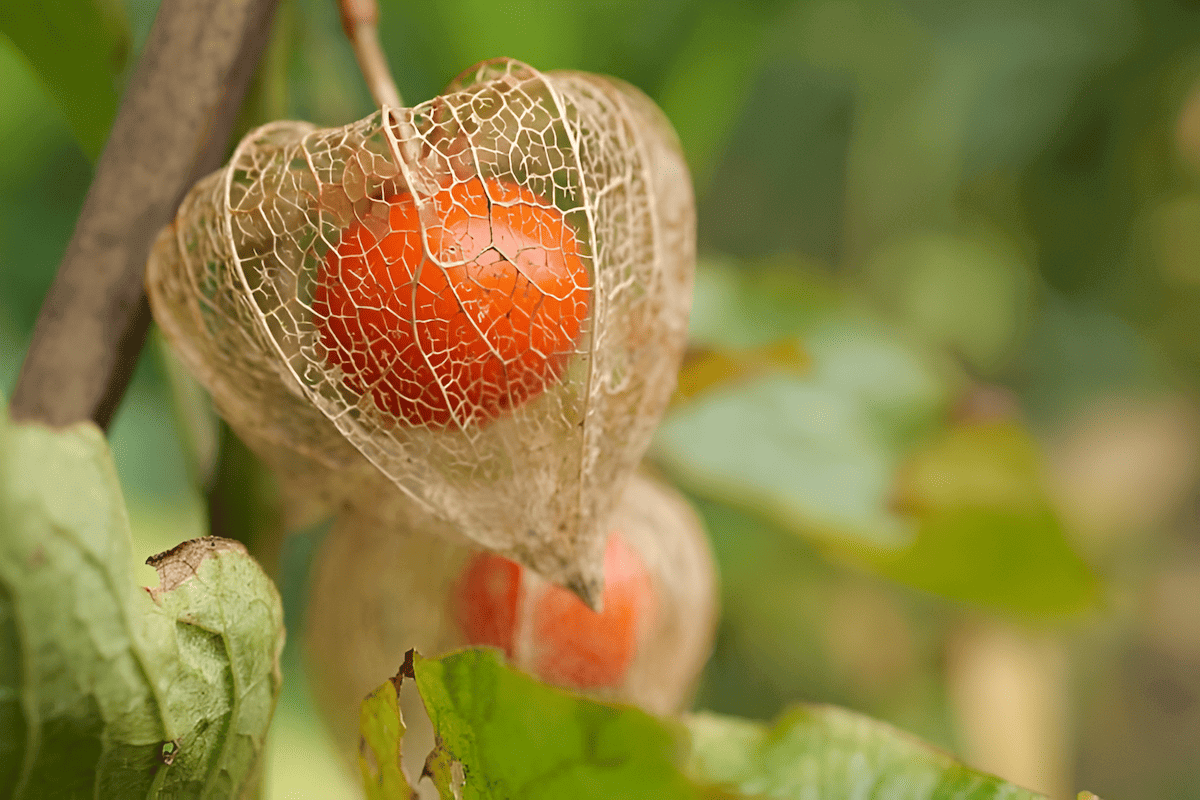
Turning to fruit-bearing trees, the Kaki, or Japanese Persimmon, holds a cherished place in Japanese gardens, cuisine, and seasonal tradition. This beautiful tree is known for its sweet, orange fruit and its large, glossy leaves, which add rich texture and color to the landscape. In autumn, the glowing fruit often remains on the branches after the leaves begin to fall, creating a striking visual contrast that has inspired artists, gardeners, and nature lovers for generations. Beyond its ornamental appeal, the Japanese persimmon is deeply valued for its role in food culture and its long-standing association with harvest and abundance.
The Keyaki, or Zelkova tree, is widely admired in Japan as a symbol of strength, dignity, and enduring beauty. These stately trees can grow up to 30 meters tall, forming broad, sheltering canopies that make them prized shade trees along streets, in parks, and near temples and shrines. One of the Keyaki’s most distinctive features is its changing bark, which can shift from deep gray to lighter silver tones over time, giving the trunk and branches added texture and character.
Beyond its visual appeal, the Keyaki occupies a meaningful place in Japanese tradition and mythology, where large, ancient specimens are sometimes regarded as sacred dwelling places for spirits. Its durable wood has also been highly valued in traditional craftsmanship, where it is used for furniture, architectural details, and carved objects that combine strength with elegance. The Keyaki beautifully reflects the Japanese ideal of harmony between nature, spirituality, and skilled artistry.

The sacred Japanese Cypress, or Hinoki, has been revered in Japan for centuries for its beauty, fragrance, and spiritual associations. Widely used in traditional temples, shrines, baths, and fine woodwork, Hinoki is prized for its smooth grain, warm reddish-brown bark, and rich green foliage. Its fresh, lemony aroma has long been associated with calm, clarity, and purification, making it an important wood in both architecture and aromatherapy. Much like Japanese maples , Hinoki reflects Japan’s deep appreciation for trees that bring both visual beauty and a strong sense of place to gardens, sacred sites, and cultural landscapes.
Bamboo holds a place of profound significance in Japanese culture, and the Moso species stands out as one of the most impressive examples of this celebrated plant. Known as a giant timber bamboo, Moso can reach heights of up to 25 meters, giving it a commanding presence in the landscape. Its remarkable scale, rapid growth, and strength have made it both a practical resource and a symbol of resilience and adaptability.
Young Moso bamboo shoots are highly valued in Japanese cuisine for their delicate flavor and tender texture, while mature culms are used in construction, crafts, fencing, and a variety of design applications. Its combination of flexibility, durability, and renewability has also made Moso bamboo increasingly important as a sustainable material in modern industries. This balance of beauty, usefulness, and environmental harmony reflects a long-standing Japanese tradition of working with nature rather than against it.
The Ume, or Japanese Plum, is one of the first trees to announce the arrival of spring, often blooming before the cherry trees with delicate pink and white flowers that fill the air with fragrance. These early blossoms are admired for their quiet elegance and are cherished as symbols of perseverance, renewal, and hope at the end of winter.
Beyond its ornamental appeal, the Japanese plum is deeply woven into Japanese culinary tradition. Its tart fruit is transformed into beloved foods and drinks such as umeboshi and plum liqueur, giving the tree value that goes far beyond the garden. Like other iconic Japanese species, the Ume brings together seasonal beauty, cultural meaning, and everyday usefulness in a way that continues to resonate across generations.

The Matsu, or Japanese black pine, is a powerful symbol of longevity, endurance, and resilience in Japanese culture. Recognized by its rugged, windswept form and deep green needles, this iconic tree thrives in harsh coastal environments where salt spray, wind, and poor soils challenge most other species. Its sculptural, often twisted branches are celebrated in traditional garden design and bonsai, embodying strength shaped by adversity. Frequently planted near temples and shrines, the black pine is regarded as a protector tree, bringing good fortune and stability to the surrounding landscape.
The Judas Tree (Cercis siliquastrum and related species) adds a bold and colorful dimension to Japan’s spring scenery. Though not native, it has been embraced for its spectacular flowering habit, particularly during the hanami season. Its most distinctive feature is the way its brilliant pink blossoms emerge directly from the branches—and even the trunk—a phenomenon known as cauliflory. This creates a dramatic, almost sculptural effect, transforming the tree into a living canvas of color.
As the blossoms appear before the leaves, the Judas Tree delivers an intense burst of spring color that contrasts beautifully with more delicate flowering species. Its fleeting bloom serves as a reminder of life’s impermanence, aligning with the same cultural themes celebrated in traditional cherry blossom viewing.
The ancient Ginkgo (Ginkgo biloba) is often referred to as a living fossil, with origins dating back over 200 million years. Its distinctive fan-shaped leaves turn a radiant golden yellow in autumn, creating breathtaking seasonal displays in streets, parks, and temple grounds across Japan.
Revered for its extraordinary longevity and resistance to disease, pollution, and even fire, the ginkgo is a symbol of endurance and renewal. Many historic specimens stand beside temples and shrines, where they are honored as guardians of time. Beyond its visual beauty, the tree also offers edible seeds—known as ginkgo nuts—which are used in traditional cuisine, further connecting this remarkable species to both culture and daily life.

Among Japan’s most enchanting spring trees, the Shidarezakura, or weeping cherry, is especially admired for its cascading branches draped in soft pink blossoms. Often associated with the fleeting beauty of life, this graceful tree creates a romantic, almost dreamlike presence in gardens, temple grounds, and historic landscapes.
The Yaezakura, or double-flowered cherry, offers a richer, more dramatic expression of cherry blossom season. Unlike the delicate simplicity of single-petaled varieties, Yaezakura produces lush, densely layered blooms that give each flower a fuller, more textured appearance. These abundant blossoms often appear in shades of pink ranging from soft blush to deeper rose, creating an especially vivid display.
What makes the Yaezakura so memorable is its sense of depth and fullness. The clustered, multi-petaled flowers create a luxurious canopy of color that feels both festive and refined, adding a striking dimension to traditional cherry blossom viewing. Its blooms linger slightly later in the season as well, extending the beauty of spring and giving visitors even more time to appreciate Japan’s celebrated flowering trees.
From the fiery tones of Enkianthus to the flowing form of the Shidarezakura and the layered blooms of the Yaezakura, Japan’s trees reflect a deep cultural appreciation for seasonality, beauty, and quiet reflection. Together, they remind us that trees are more than landscape features—they are living symbols of renewal, impermanence, and the enduring bond between people and the natural world.
Popular Japanese trees for gardens and small yards include Japanese maples (Acer palmatum and Acer japonicum), flowering cherries (sakura), Japanese persimmon (kaki), Japanese plum (ume), Japanese cypress (Hinoki), black pine (matsu), and the fiery Japanese lantern tree (Enkianthus). Together they bring four-season interest with spring blossoms, lush summer foliage, glowing autumn color, and evergreen structure in winter. :contentReference[oaicite:0]{index=0}
The Japanese lantern tree (Enkianthus) is a deciduous shrub known for its lantern-shaped flowers and brilliant red autumn foliage. In Japanese gardens it is valued as an ornamental accent that symbolizes good fortune and prosperity, making it a favorite near paths, tea houses, and viewing terraces.
Full Moon Maples (Acer japonicum) have rounded, deeply lobed leaves that resemble a glowing full moon. Compared with typical Japanese maples (Acer palmatum), they often have larger leaves, a more rounded crown, and particularly vivid fall color in shades of red, orange, and gold. They are a great choice for cool-temperate gardens that want dramatic autumn foliage.
Several classic Japanese trees carry culinary significance. The Japanese persimmon (kaki) produces sweet, tomato-like orange fruit used fresh, dried, or in desserts. The Japanese plum (ume) bears tart fruit that is pickled into umeboshi or made into plum liqueur, and the ancient Ginkgo produces edible seeds used sparingly in traditional dishes.
The Keyaki or Japanese Zelkova tree is a towering shade tree with a wide canopy and bark that shifts from dark gray to silvery tones as it matures. In Japan it often lines streets and temple avenues, where it is seen as a guardian tree and a dwelling place for kami (spirits). Its durable hardwood is prized in traditional carpentry, furniture, and shrine architecture.
Hinoki cypress (Chamaecyparis obtusa) is revered for its straight grain, warm color, and calming lemon-like fragrance. Its wood is used in shrines, baths, and fine joinery, while living trees are planted in temple precincts and meditative gardens. In landscaping, Hinoki brings evergreen structure, fragrance, and a strong spiritual association with purification and renewal.
Moso bamboo is a giant timber bamboo that can reach 25 meters tall, forming dramatic groves along paths and hillsides. Young shoots are harvested as a seasonal vegetable, while mature culms are used for construction, crafts, and even renewable energy projects. Gardeners use bamboo sparingly as screens, living fences, or background plantings and rely on root barriers to keep its vigorous rhizomes in check.
Ume (Japanese plum) blooms in late winter with fragrant pink or white flowers and tart fruit, while sakura (flowering cherries) like the weeping Shidarezakura and double-flowered Yaezakura bloom slightly later with clouds of soft pink blossoms. Both are beloved symbols of spring and impermanence, but ume is more associated with fragrance and preserved fruit, whereas sakura is celebrated primarily for blossom viewing (hanami).
For exposed or coastal landscapes, the resilient Japanese black pine (matsu) is a classic choice. Its twisted branches and salt-tolerant needles withstand wind and sea spray, making it ideal for shorelines, dunes, and cliffside gardens. Ginkgo and some compact Hinoki cypress cultivars can also perform well with good soil preparation and wind-breaks.
Copyright © All rights reserved Tree Plantation